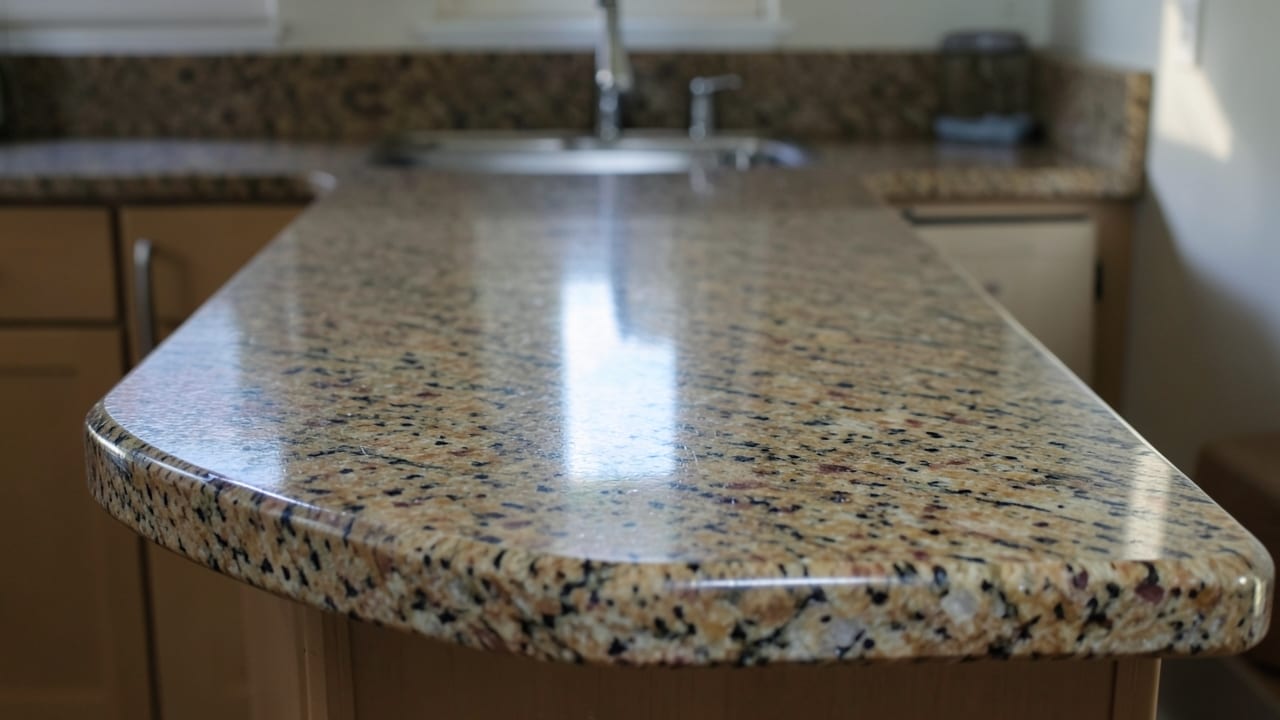
Stone Countertop Mold Removal
Professional removal of mold from stone countertops using specialized cleaning and treatment methods.
Mold on stone countertops in Belleair Shores homes requires specialized cleaning to prevent surface damage and spore spread. Unlike porous materials, natural and engineered stone surfaces like granite, marble, and quartz need careful treatment to remove fungal growth without etching or staining.
Professional remediation ensures deep cleaning, containment, and moisture control to stop regrowth—critical in Florida’s humid climate where hidden dampness fuels recurrence.
We also handle Glass Window Mold Removal and Brick Masonry Mold Treatment for Belleair Shores properties.
When stone countertop mold needs professional help
Not all mold on stone surfaces requires full remediation, but certain signs indicate the problem has outgrown basic cleaning. A patch larger than 10 square feet, or mold that reappears within weeks of scrubbing, suggests deeper contamination or an unresolved moisture issue.
Musty odors lingering after cleaning often point to hidden growth behind cabinets or in wall voids.
Florida’s mold remediation rules apply to private homes, including stone surfaces. The state’s 25-square-foot threshold for professional intervention (Fla. Stat. §468.8419) is a guideline—stone countertops may need help sooner due to their non-porous but delicate nature.
If the mold is black or greenish and spreading, or if the surface looks dull or pitted after cleaning, professional treatment is recommended to avoid permanent damage.
Signs Your Stone Countertop Mold Needs Remediation
- Mold covers more than a small, isolated patch (10+ sq ft) on the surface
- The same spot keeps coming back after cleaning, even with commercial cleaners
- A musty smell remains even after scrubbing the visible mold
- The stone surface looks dull, streaked, or has visible etching after cleaning
- You notice mold in adjacent areas (e.g., grout, backsplash, or under the countertop)
What affects pricing and timeline for stone countertop mold removal
Pricing for stone countertop mold removal in Belleair Shores varies based on the extent of contamination, the type of stone, and whether additional moisture issues exist. Unlike flat-rate services, this work is typically quoted per project after an inspection, as stone surfaces require specialized solutions and containment protocols.
Labor costs reflect the precision needed to avoid damaging the finish while ensuring spores are fully removed.
The timeline depends on containment setup, drying requirements, and clearance testing. Simple surface cleaning may take a few hours, but deeper contamination—especially if moisture sources are involved—can extend the job over multiple days.
Florida law also requires independent clearance testing before the area is considered complete, which adds time but ensures compliance with state standards.
| Factor | Impact on Cost/Timeline |
|---|---|
| Size of affected area | Larger patches or multiple surfaces increase labor and containment needs |
| Type of stone (granite, marble, quartz) | Softer stones like marble may require gentler solutions, affecting chemical costs |
| Moisture source presence | Fixing leaks or grading issues adds to the scope and price |
| Need for refinishing/sealing | If the stone’s finish is damaged, extra steps may be required |
| Clearance testing requirement | Mandatory in Florida; independent lab testing adds to the timeline |
Why containment and testing matter
During stone countertop mold removal, containment prevents spores from spreading to unaffected areas of your home. Plastic sheeting and negative-air machines create a sealed workspace, while HEPA air scrubbers ensure no spores escape into living spaces.
Skipping these steps risks contaminating other rooms, making the problem larger and more costly to resolve later.
Clearance testing is a critical final step in Florida. An independent lab collects air or surface samples after remediation to confirm spore levels are back to normal. Without this step, there’s no objective way to verify whether the mold has been fully addressed—or if hidden growth remains.
This testing is required by law for professional remediation jobs.
How stone countertop mold removal works
Professional remediation follows strict containment and cleaning protocols to eliminate mold without damaging the stone.
- 1Containment Setup
Plastic sheeting seals off the work area, and negative-air machines create a vacuum to trap spores inside the containment zone. This prevents cross-contamination while the mold is disturbed.
- 2Specialized Cleaning
Mold-specific solutions are applied to the stone surface, scrubbed with soft brushes, and rinsed with clean water. The process avoids abrasives or harsh chemicals that could etch or discolor the finish.
- 3HEPA Filtration and Drying
HEPA vacuums and air scrubbers capture spores during cleaning, and industrial dehumidifiers dry framing or subfloors to prevent moisture-related regrowth.
- 4Clearance Testing
An independent lab tests air or surface samples post-remediation to confirm spore levels are within normal ranges before containment is removed.
- 5Moisture Source Inspection
The crew checks for leaks, condensation, or grading issues that could cause future mold. Fixing these is essential to help the finish last longer.
Frequently asked questions
Can I clean mold off my stone countertop myself, or does it need professional help?
Small, isolated patches (under 10 sq ft) can sometimes be cleaned with a vinegar or hydrogen peroxide solution, but professional help is recommended if the mold is black, spreading, or keeps returning. Stone surfaces are porous enough to absorb mold deeply, and improper cleaning can damage the finish.
How long does the stone countertop mold removal process take?
Surface cleaning may take a few hours, but full remediation—including containment, drying, and clearance testing—can span multiple days, especially if moisture issues are involved. Florida’s testing requirements add time but ensure compliance.
Will my stone countertop look the same after mold removal?
Professional remediation aims to restore the surface’s appearance, but heavily stained or etched areas may require refinishing or resealing. The goal is to remove mold without causing further damage, though results depend on the stone type and contamination level.
Do I need to leave my home during the mold removal process?
You may need to vacate the room or home temporarily, especially during containment setup and high-risk cleaning steps. The crew will advise on safe areas to stay in while work is ongoing.
See Belleair Shore, FL for more, or take a look at everything on offer in Belleair Shores before booking for our complete lineup.
Ready to get started?
Talk to a local mold remediation pro in Belleair Shores — get a written quote.
Other Mold Remediation Services in Belleair Shores

Glass Window Mold Removal in Belleair Shores, FL
Professional removal of mold from glass windows and frames to restore clarity and prevent spread.
Learn More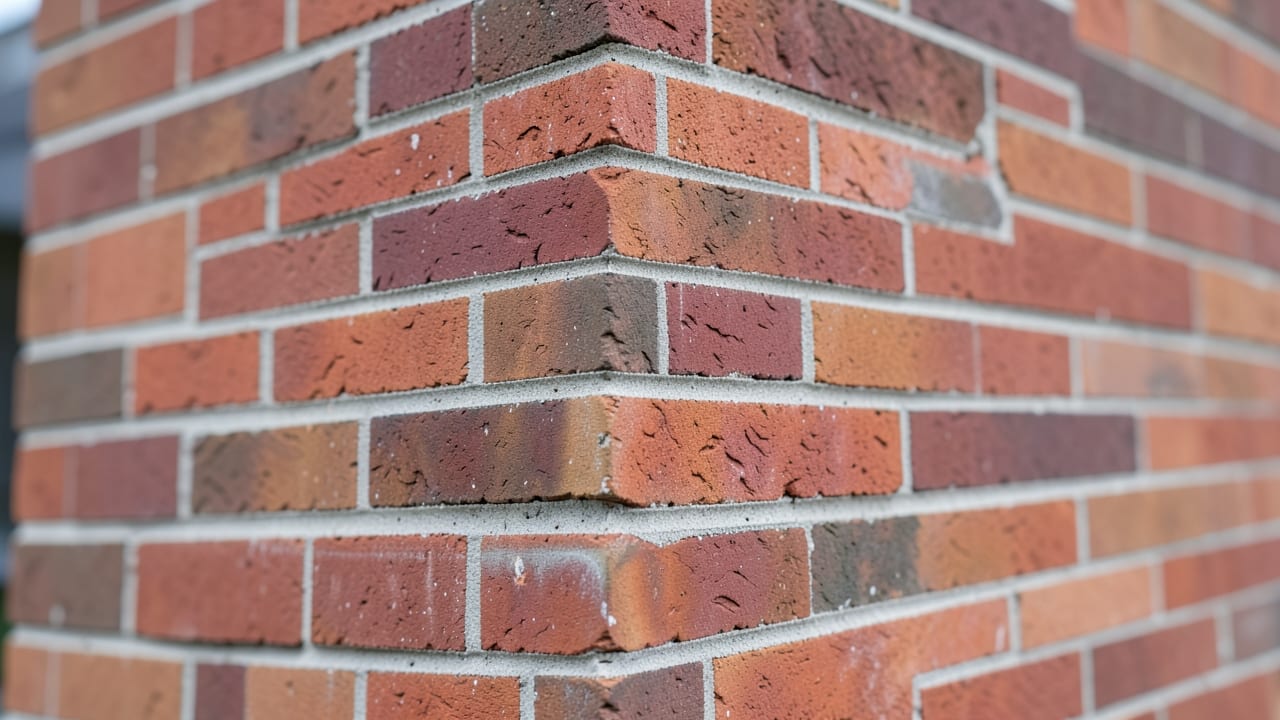
Brick Masonry Mold Treatment in Belleair Shores, FL
Professional mold treatment and removal from brick masonry to restore structural integrity and indoor air quality.
Learn More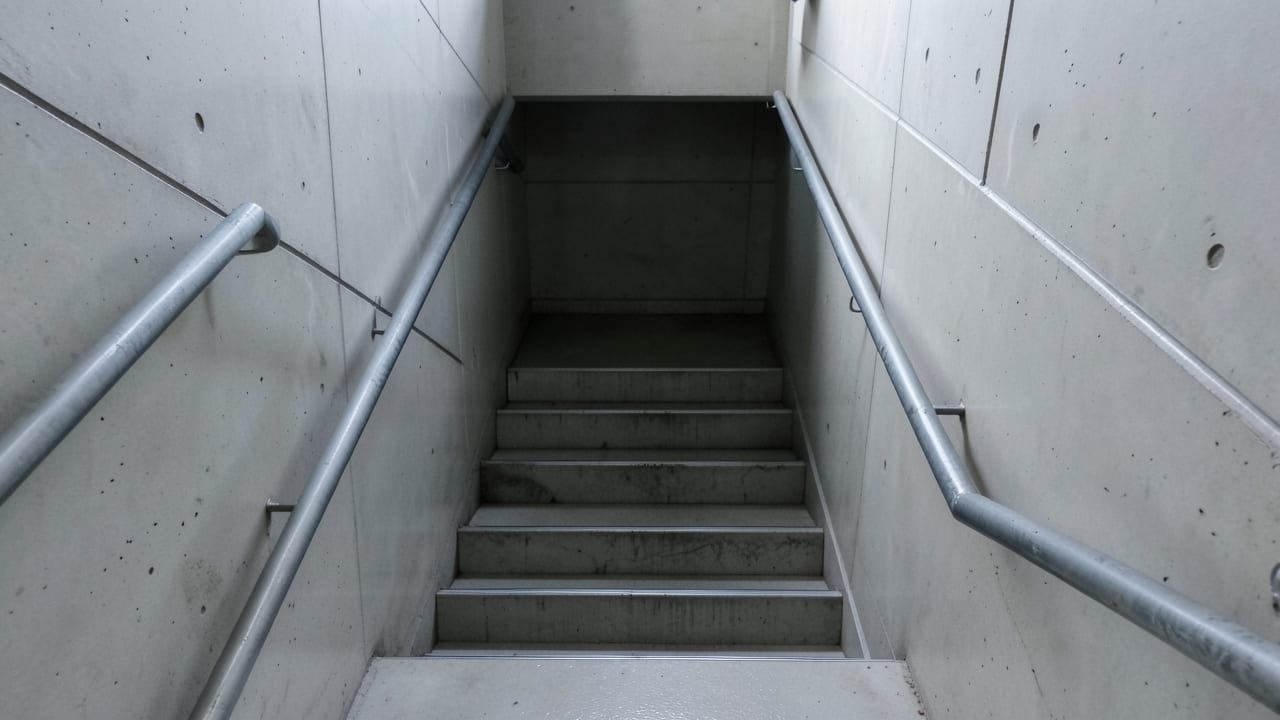
Stairwell Mold Remediation in Belleair Shores, FL
Professional mold removal and prevention in stairwells to restore safe, clean spaces.
Learn More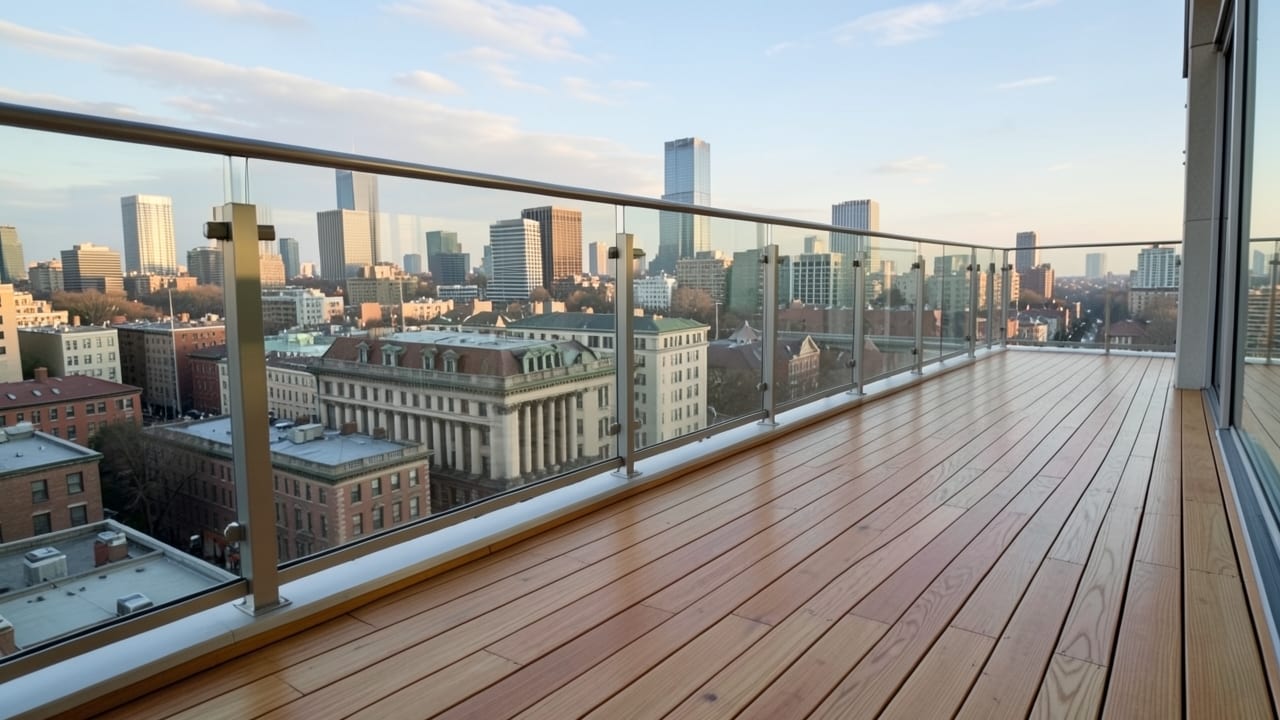
Balcony Mold Cleanup in Belleair Shores, FL
Professional removal and treatment of mold growth on balconies and adjacent structures.
Learn More
Sunroom Mold Remediation in Belleair Shores, FL
Professional removal and treatment of mold in sunrooms to restore a safe, clean space.
Learn More
Closet Mold Cleanup in Belleair Shores, FL
Professional cleanup and removal of mold from closets to restore safe, healthy spaces.
Learn MoreCommon Questions About Mold Remediation in Belleair Shores
Everything you need to know about mold remediation services in Belleair Shores
How much does Stone Countertop Mold Removal typically cost in Belleair Shores, FL?
Why does Belleair Shores, FL's humidity make mold a bigger risk than in drier regions?
What's the actual difference between mold removal and mold remediation?
Is a final clearance test part of a typical mold remediation job?
How does mold remediation actually prevent the problem from coming back?
Can mold growing inside HVAC ductwork spread to the rest of a home?
Need Mold Remediation in Belleair Shores?
Connect with local providers in Belleair Shores for a detailed quote.
⏰ We answer your call • Serving all of Belleair Shores and surrounding areas