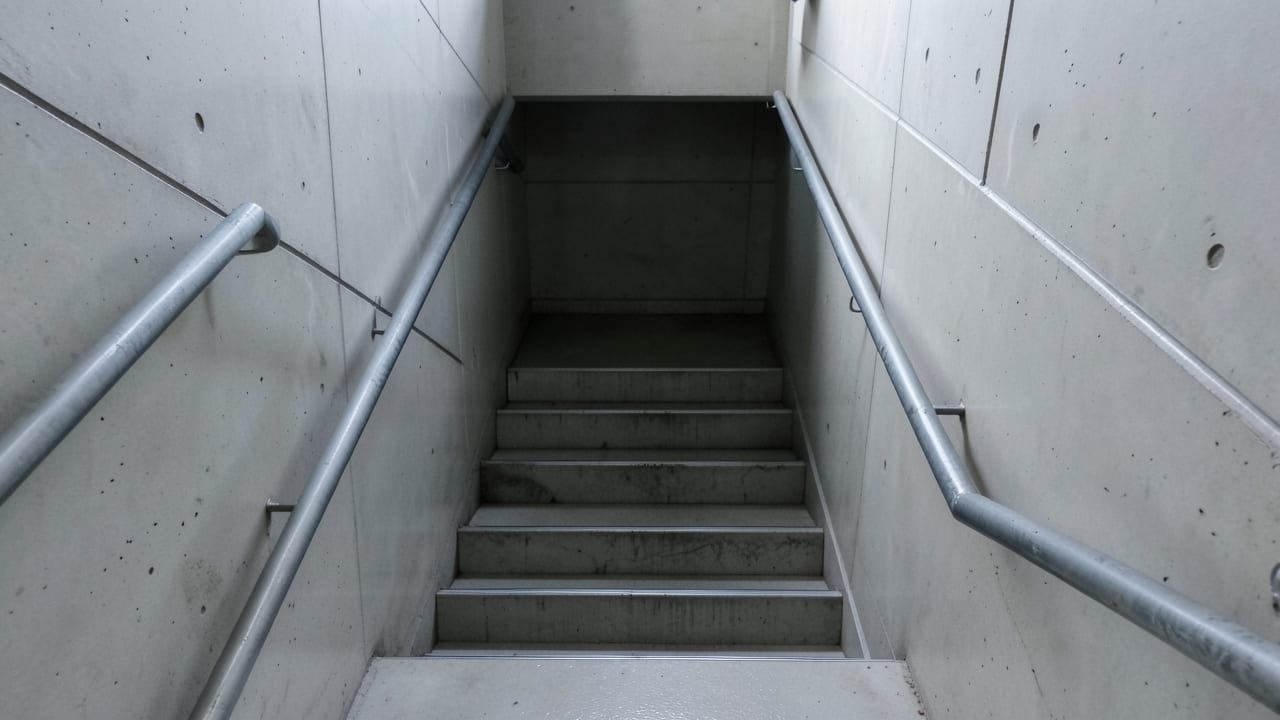
Stairwell Mold Remediation
Professional mold removal and prevention in stairwells to restore safe, clean spaces.
Stairwell mold remediation in Belleair Shores, FL targets hidden or visible mold growth in staircases, landings, and connected areas, using containment, removal, and drying to prevent regrowth and structural damage. This process ensures airborne spores are captured and moisture sources are addressed to avoid recurrence in your home.
When to consider stairwell mold remediation
Mold in stairwells often goes unnoticed until it spreads or becomes visible. Look for musty odors, recurring mold patches after cleaning, or discoloration on walls, steps, or railings. In Florida, mold covering more than 25 square feet typically requires professional remediation, as hidden moisture sources often drive regrowth.
We also handle Commercial Mold Remediation and Mold Prevention & Moisture Control for Belleair Shores properties.
Persistent dampness in stairwells—from leaks, poor ventilation, or high humidity—creates ideal conditions for mold. If you notice a smell that intensifies when the HVAC runs or see mold returning after DIY attempts, professional intervention is needed to address both the growth and its root cause.
Signs Your Stairwell Needs Remediation
- Mold covering more than a small, isolated patch (especially over 25 sq ft).
- Recurring mold in the same spot after cleaning, indicating an unresolved moisture issue.
- A musty smell with no visible mold, suggesting hidden growth in walls or under flooring.
- Visible mold on porous materials (drywall, carpet padding) or framing that shows structural damage.
- Dampness or condensation on stairwell surfaces, even after addressing leaks.
What affects cost and timeline
The scope of stairwell mold remediation varies based on the extent of contamination, materials involved, and whether hidden moisture sources require fixing. Porous materials like drywall are often removed, while non-porous surfaces may be cleaned and treated.
Containment, HEPA filtration, and clearance testing add time and cost but ensure thorough resolution.
Florida’s licensing rules also impact pricing—mold assessors and remediators must be separate entities for the same property within 12 months. This separation ensures unbiased assessment and proper remediation, but it may require coordinating two service visits.
Avoiding common mistakes
Skipping containment or using non-HEPA equipment during removal can spread spores to unaffected areas, turning a small job into a larger problem. Proper containment seals the work zone, while HEPA air scrubbers and vacuums capture spores instead of recirculating them.
Fixing the moisture source—whether a leak, poor ventilation, or grading issue—is critical. Remediation without addressing the root cause often leads to regrowth within months. Post-remediation clearance testing confirms spore levels return to normal before the area is considered resolved.
Avoid bids missing containment, clearance testing, or a written scope of work. Verbal estimates or pressure to sign during the inspection visit can lead to unexpected costs or incomplete remediation.
How stairwell mold remediation works
This process ensures mold is safely removed and moisture sources are addressed to prevent recurrence.
- 1Containment Setup
Plastic sheeting and negative-air machines seal the stairwell to prevent spores from spreading during removal. This step is critical for keeping contamination localized.
- 2Material Removal or Treatment
Porous materials like drywall or carpet padding are cut out and bagged, while non-porous surfaces (tile, framing) are scrubbed and treated to eliminate mold.
- 3HEPA Filtration and Drying
HEPA air scrubbers run continuously, and surfaces are vacuumed with HEPA equipment to capture spores. Industrial dehumidifiers dry structural materials to prevent future growth.
- 4Moisture Source Fix
Leaks, poor ventilation, or grading issues are addressed to eliminate the conditions that allowed mold to develop in the first place.
- 5Clearance Testing
An independent lab tests air or surfaces post-remediation to confirm spore levels are back to normal before containment is removed.
Frequently asked questions
How do I know if my stairwell mold is too much for DIY cleaning?
If mold covers more than 25 square feet, keeps returning after cleaning, or you notice a musty smell without visible growth, professional remediation is recommended. Hidden moisture sources often drive regrowth, making DIY efforts ineffective.
Will remediation fix the musty smell in my stairwell?
Remediation targets both visible and hidden mold, but the smell may linger until moisture sources are addressed. Proper drying and ventilation post-remediation help eliminate odors over time.
Do I need to leave my home during the remediation process?
You may be asked to vacate the area during containment setup and material removal to avoid inhaling spores. The crew will provide guidance on when it’s safe to re-enter.
How long does stairwell mold remediation typically take?
The timeline depends on the contamination level, but containment, removal, and drying usually take 1–3 days. Clearance testing adds another 1–2 days for lab results.
See Belleair Beach, FL for more, or take a look at the rest of our Belleair Shores lineup on a single page for our complete lineup.
Ready to get started?
Talk to a local mold remediation pro in Belleair Shores — get a written quote.
Other Mold Remediation Services in Belleair Shores
Commercial Mold Remediation in Belleair Shores, FL
Commercial mold inspection and remediation in Belleair Shores, FL for offices, retail space, and multi-unit properties, scheduled around business operations.
Learn More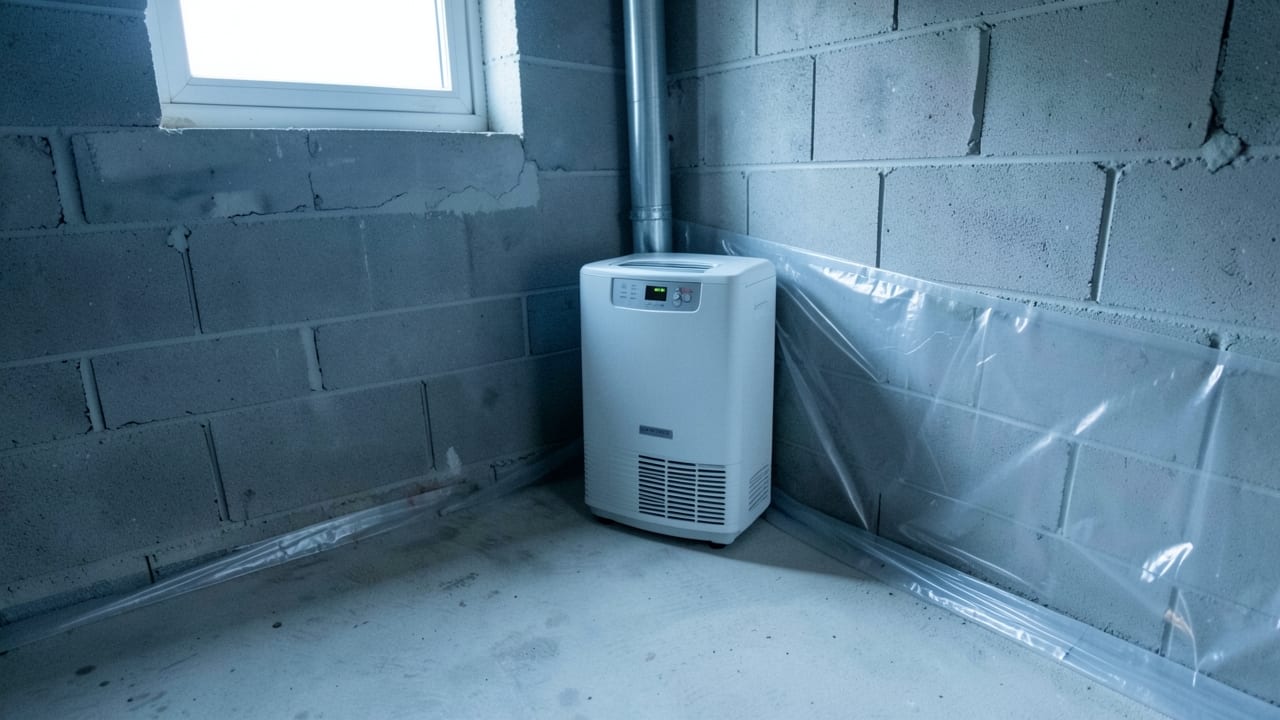
Mold Prevention & Moisture Control in Belleair Shores, FL
Mold prevention and moisture control in Belleair Shores, FL — addressing ventilation, humidity, and drainage before growth starts, not after.
Learn More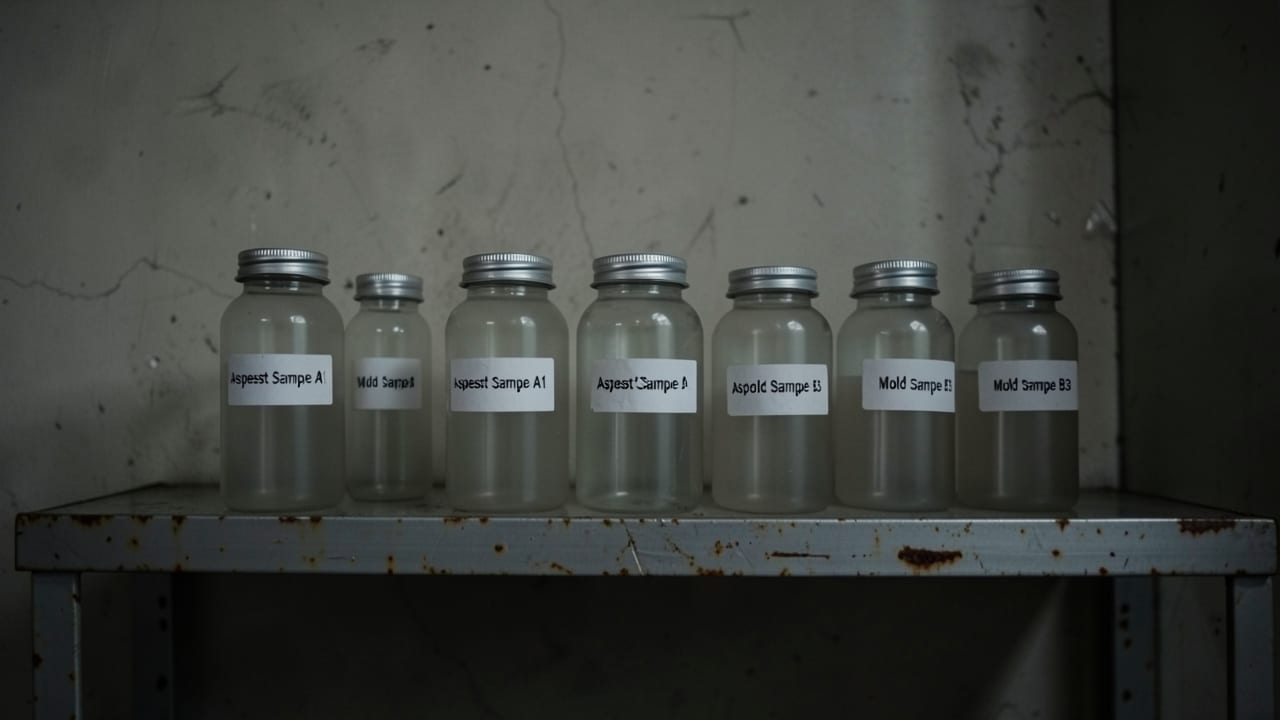
Mold & Asbestos Testing in Belleair Shores, FL
Combined mold and asbestos testing in Belleair Shores, FL — one inspection visit, lab-verified results for both.
Learn More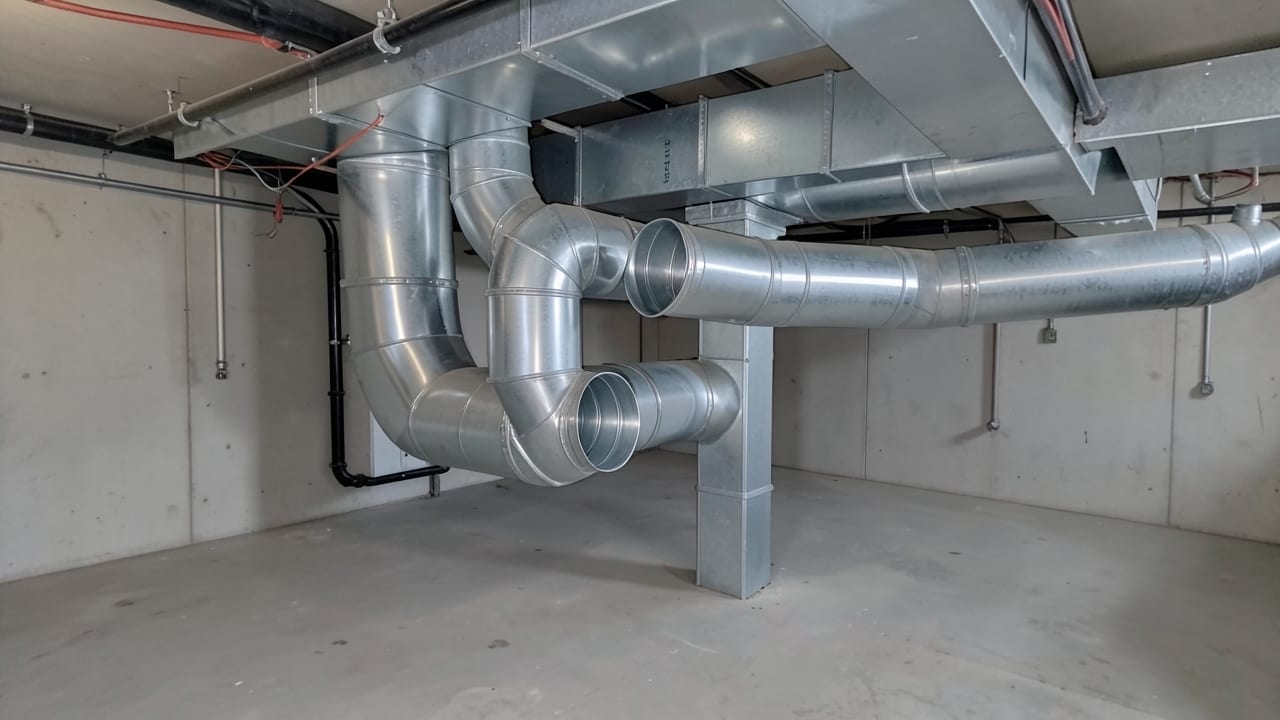
HVAC Mold Remediation in Belleair Shores, FL
HVAC and ductwork mold remediation in Belleair Shores, FL — mold growing inside the air handler or duct system, spreading through every vent.
Learn More
Concrete Mold Remediation in Belleair Shores, FL
Professional removal and treatment of mold from concrete surfaces in homes.
Learn More
Garage Mold Removal in Belleair Shores, FL
Professional assessment and removal of mold growth in garages to restore a safe, clean space.
Learn MoreCommon Questions About Mold Remediation in Belleair Shores
Everything you need to know about mold remediation services in Belleair Shores
How much does Stairwell Mold Remediation typically cost in Belleair Shores, FL?
Why does Belleair Shores, FL's humidity make mold a bigger risk than in drier regions?
Is a final clearance test part of a typical mold remediation job?
How does mold remediation actually prevent the problem from coming back?
Can mold growing inside HVAC ductwork spread to the rest of a home?
Does mold mean the same thing as mildew?
Need Mold Remediation in Belleair Shores?
Connect with local providers in Belleair Shores for a detailed quote.
⏰ We answer your call • Serving all of Belleair Shores and surrounding areas