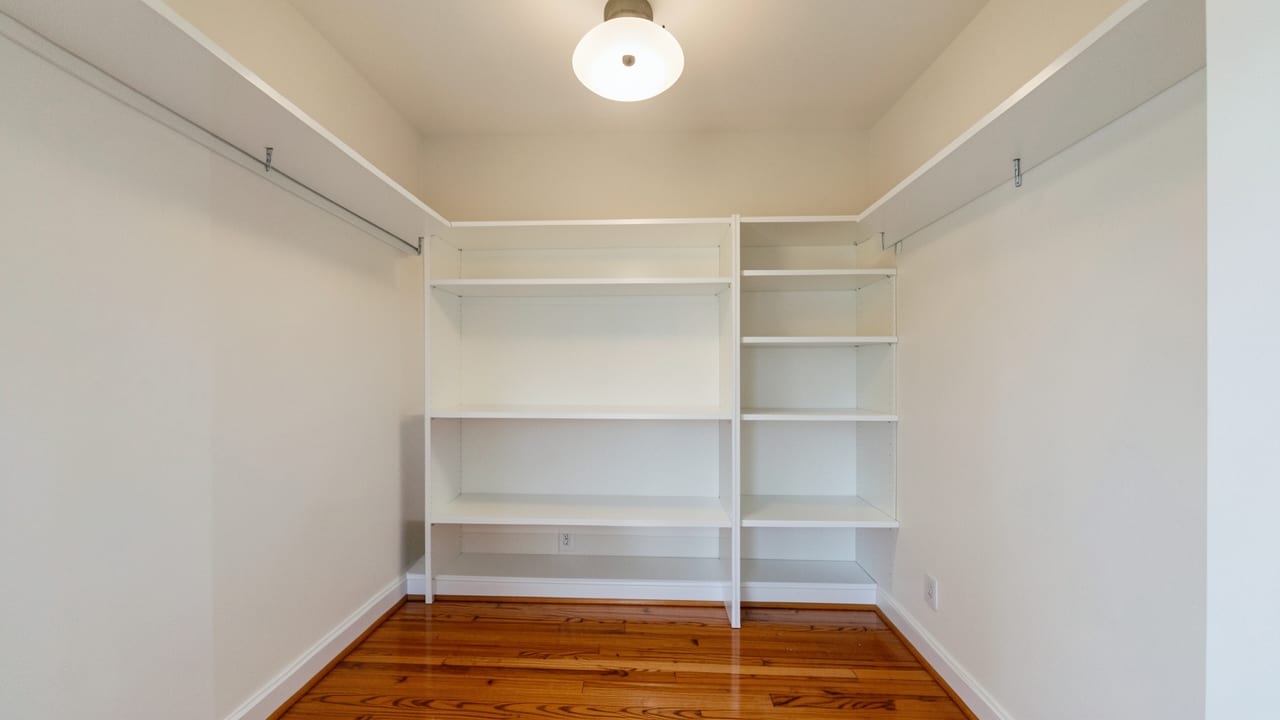
Closet Mold Cleanup
Professional cleanup and removal of mold from closets to restore safe, healthy spaces.
Closet mold cleanup in Belleair Shores, FL, addresses hidden growth that thrives in damp, poorly ventilated spaces. Unlike surface cleaning, professional remediation removes contaminated materials, seals the area to prevent spore spread, and dries structural components to stop regrowth.
Florida law requires licensed assessors and remediators to work separately, ensuring unbiased evaluation and proper containment protocols.
We also handle Balcony Mold Cleanup and Sunroom Mold Remediation for Belleair Shores properties.
When closet mold needs professional help
Mold in a Belleair Shores closet often starts as a small, isolated patch—but once it covers more than a few square feet, it’s past DIY scale. Florida treats 25 contiguous square feet as the threshold where licensed remediation is required, though persistent regrowth or hidden moisture signals a deeper issue.
Musty odors with no visible mold, or smells that worsen when the HVAC runs, often mean spores are hidden in walls, under flooring, or inside ducts.
Skipping professional cleanup risks spreading spores through the home’s air system. Containment breaches—like torn plastic sheeting or open doors—turn a contained job into a larger infestation. Without fixing the moisture source (leaks, condensation, or poor drainage), mold returns within months, even after removal.
Signs Your Closet Mold Requires Professional Remediation
- Mold covers more than a small, isolated patch (especially over 25 sq ft, Florida’s licensed-work threshold).
- Growth keeps returning in the same spot after cleaning, indicating an unresolved moisture issue.
- A musty smell persists with no visible mold, or worsens when the HVAC turns on (ductwork contamination).
- You notice black or greenish-black streaks on porous materials (drywall, insulation, carpet padding).
- Condensation or water stains appear on walls, ceilings, or stored items near the mold.
What affects cost and timeline for closet mold cleanup
Pricing for closet mold remediation in Belleair Shores varies based on the size of the affected area, the type of mold, and whether hidden growth is discovered during removal. Black mold (Stachybotrys chartarum) typically costs 15–25% more to treat than other species for the same area.
Containment, HEPA air scrubbing, and structural drying add time and expense, as does replacing damaged materials like drywall or insulation.
Jobs that uncover moisture sources beyond the closet—like plumbing leaks or poor grading—may require additional repairs, extending the timeline. Clearance testing, done by an independent lab, ensures spore counts return to normal before the area is released, but it’s often priced separately.
Always confirm whether a quote includes inspection, testing, and post-remediation verification.
Florida’s mold rules and why they matter for homeowners
Florida law (Chapter 468, Part XVI) separates mold assessment and remediation into two distinct roles, prohibiting the same company from performing both on the same property within 12 months. This rule prevents conflicts of interest—like diagnosing a problem only to profit from its removal.
For homeowners, it means hiring a licensed assessor first to identify the scope, then a separate remediator to handle cleanup and containment.
Always verify a remediator’s license directly with the Florida Department of Business and Professional Regulation (DBPR). Some states have no licensing for mold work, but Florida’s rules ensure contractors follow containment, HEPA filtration, and moisture-source protocols.
Ask for a written scope of work before any demolition begins to avoid unexpected costs for hidden mold or structural repairs.
Paying for a job without a written scope of work leaves you vulnerable to price increases once walls are opened. Accepting a bid that excludes containment, HEPA filtration, or clearance testing may save money upfront but risks incomplete removal. Never sign a contract during the same visit as the inspection—legitimate scopes take time to prepare accurately.
How closet mold cleanup works
Professional remediation follows strict containment and safety protocols to remove mold and prevent regrowth.
- 1Containment Setup
Plastic sheeting seals the closet and adjacent areas, while negative-air machines create a vacuum that traps spores inside. Doors stay closed, and workers wear HEPA-filtered respirators to avoid spreading contamination.
- 2Material Removal or Cleaning
Porous materials (drywall, insulation, carpet padding) with deep mold growth are cut out and double-bagged. Non-porous surfaces (tile, metal framing) are scrubbed with antifungal solutions and HEPA-vacuumed to capture loose spores.
- 3HEPA Air Scrubbing and Drying
Industrial dehumidifiers and air movers run continuously to dry framing and subfloors to normal moisture levels. HEPA air scrubbers purify the air inside containment, while surfaces are vacuumed with HEPA-equipped tools to prevent spore recirculation.
- 4Moisture Source Investigation
The crew checks for leaks, condensation, or grading issues that fed the mold. Fixing these problems is critical—without it, mold regrows even after removal. A small fan or dehumidifier may be recommended for persistently damp closets.
- 5Clearance Testing
An independent lab tests air or surface samples post-remediation to confirm spore counts are back to normal. Only then is containment removed, and the area considered finished. Results document that the job met Florida’s remediation standards.
Frequently asked questions
My closet mold keeps coming back after I clean it myself. What’s the likely cause?
Recurring mold almost always means the moisture source wasn’t fixed. Check for leaks, condensation on walls, or poor ventilation. A licensed assessor can identify hidden problems, like plumbing leaks behind drywall or grading issues outside that direct water toward your foundation.
Will my closet need to stay sealed off for days after mold removal?
Containment remains up until clearance testing confirms spore counts are normal, which can take 1–3 days depending on the size of the area. HEPA air scrubbers run continuously during this time to ensure no spores escape. The crew will provide a timeline based on your specific job.
Do I need to replace my stored clothes or items after mold cleanup?
Non-porous items (metal, plastic, glass) can often be cleaned and saved. Porous fabrics (clothing, stuffed animals, cardboard boxes) exposed to mold may need disposal, as spores can penetrate the material. The remediation team will advise on what’s safe to keep based on the extent of contamination.
How do I know if the mold in my closet is ‘black mold’ (Stachybotrys chartarum)?
Black mold appears as dark greenish-black streaks, often slimy or fuzzy, and grows in colonies larger than a few square inches. It has a strong musty odor. While lab testing confirms the species, professional remediators can identify it visually during inspection. Black mold removal costs more due to stricter safety protocols.
See Greenbriar, FL for more, or discover what's included in our Belleair Shores service for our complete lineup.
Ready to get started?
Talk to a local mold remediation pro in Belleair Shores — get a written quote.
Other Mold Remediation Services in Belleair Shores
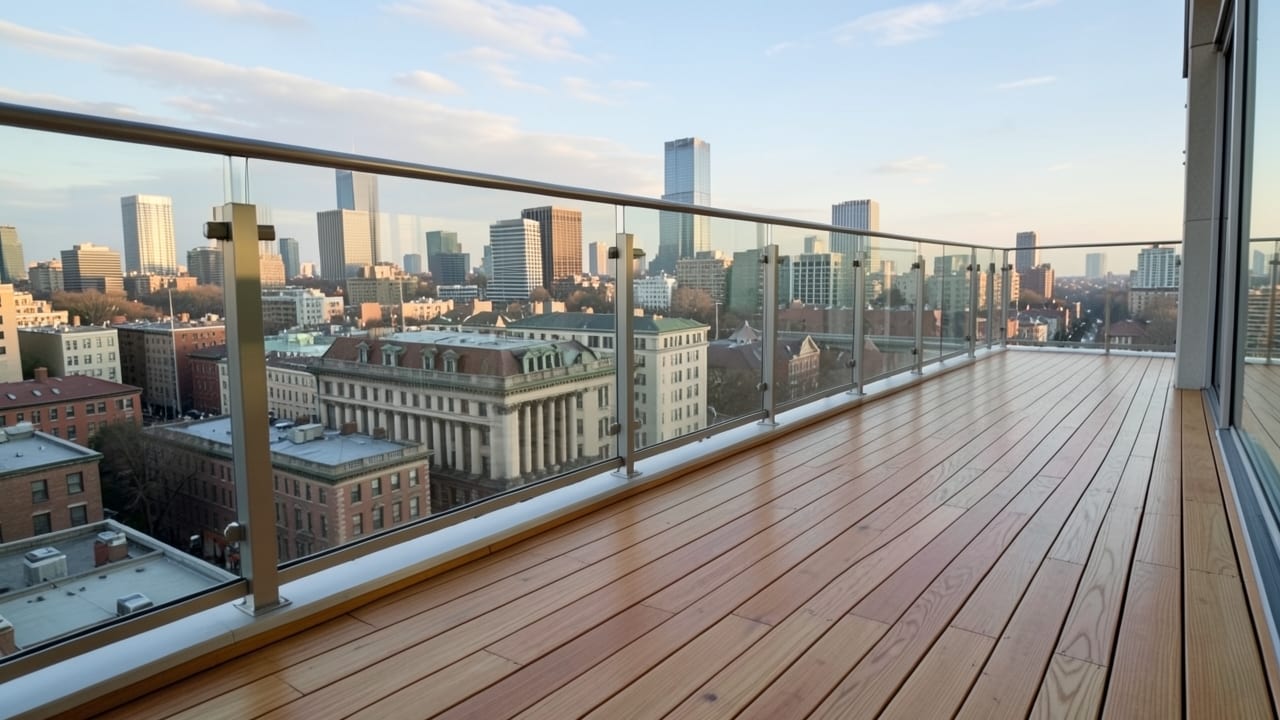
Balcony Mold Cleanup in Belleair Shores, FL
Professional removal and treatment of mold growth on balconies and adjacent structures.
Learn More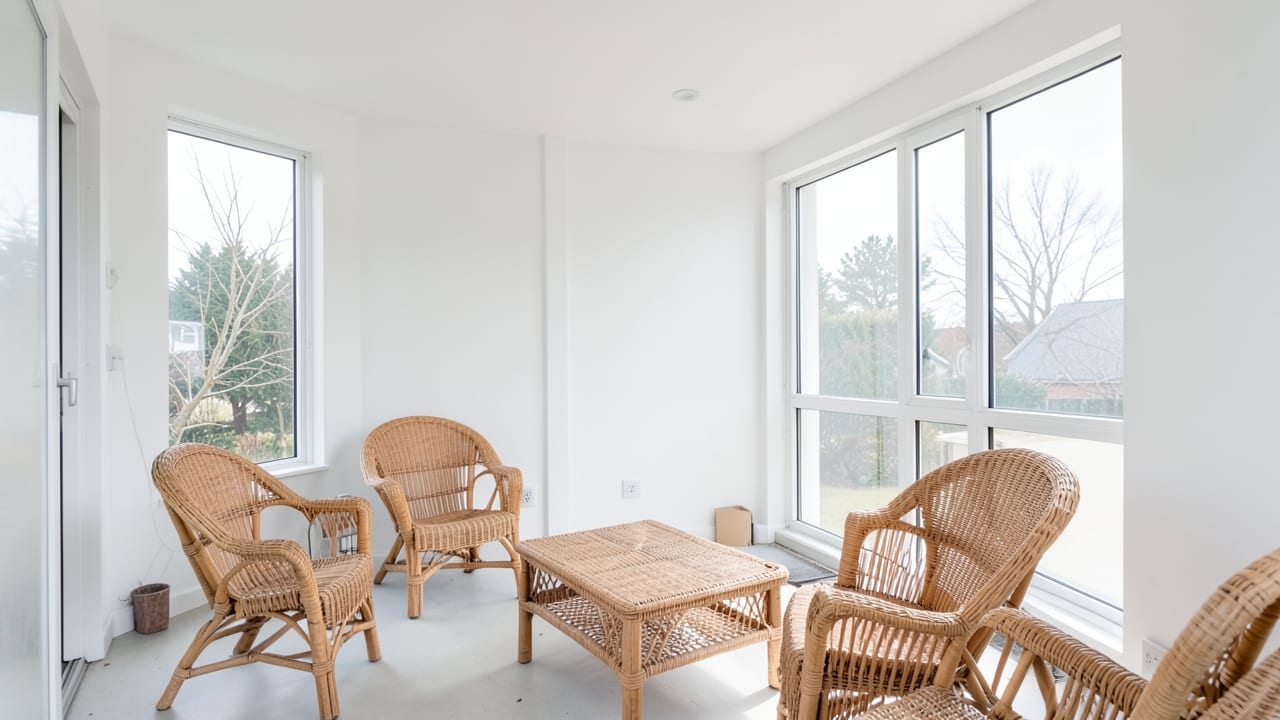
Sunroom Mold Remediation in Belleair Shores, FL
Professional removal and treatment of mold in sunrooms to restore a safe, clean space.
Learn More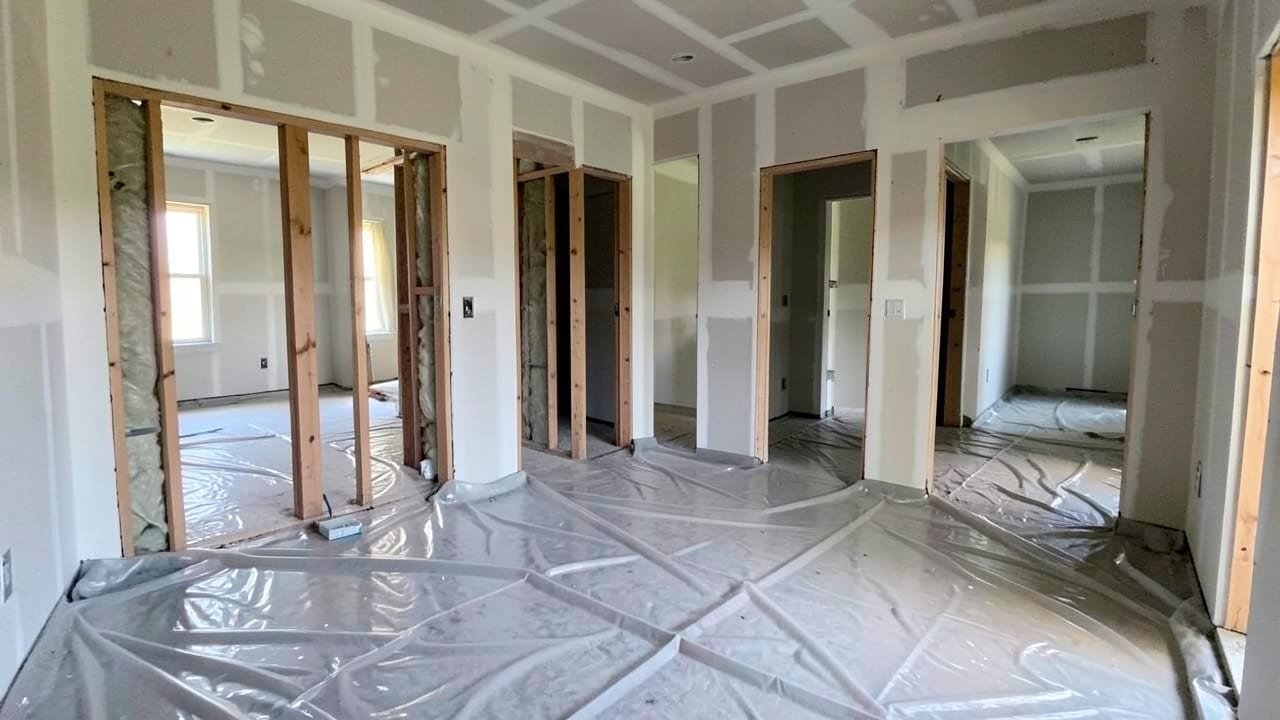
New Construction Mold Remediation in Belleair Shores, FL
Professional mold removal and prevention in newly built homes to ensure safe, clean living spaces.
Learn More
Hotel Mold Remediation in Belleair Shores, FL
Professional removal and treatment of mold growth in hotel properties to restore safe, clean environments.
Learn More
Gym Mold Remediation in Belleair Shores, FL
Professional removal and treatment of mold in gyms to restore safe, clean environments.
Learn More
Fire Smoke Mold Remediation in Belleair Shores, FL
Professional cleanup and restoration of fire, smoke, and mold damage in homes.
Learn MoreCommon Questions About Mold Remediation in Belleair Shores
Everything you need to know about mold remediation services in Belleair Shores
How much does Closet Mold Cleanup typically cost in Belleair Shores, FL?
Why does Belleair Shores, FL's humidity make mold a bigger risk than in drier regions?
Does homeowners insurance typically cover mold remediation?
Is black mold actually more dangerous than other mold types?
How long does a typical mold remediation job take?
Is it safe to stay in the home during mold remediation?
Need Mold Remediation in Belleair Shores?
Connect with local providers in Belleair Shores for a detailed quote.
⏰ We answer your call • Serving all of Belleair Shores and surrounding areas