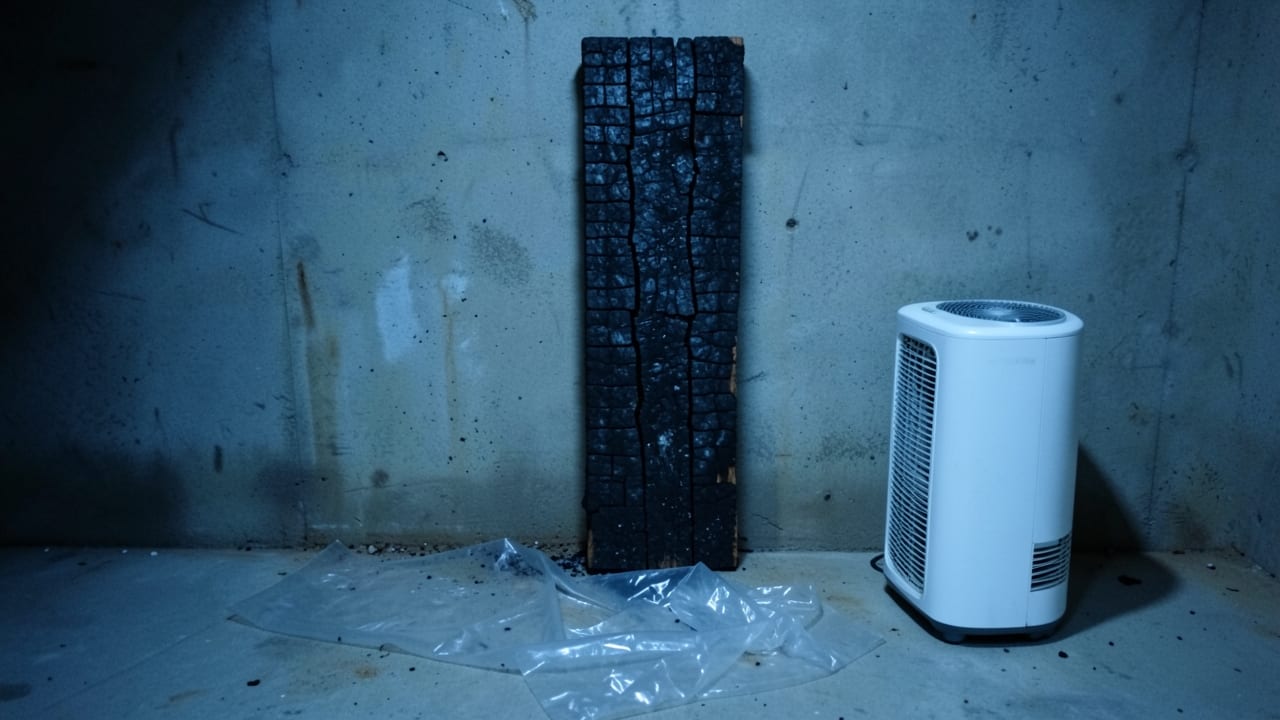
Fire Smoke Mold Remediation
Professional cleanup and restoration of fire, smoke, and mold damage in homes.
Fire, smoke, and mold damage in Belleair Shores homes requires specialized remediation to restore safety and cleanliness. After fires or water leaks, hidden mold can spread quickly, while soot and odors linger on surfaces.
Professional remediation includes containment, removal of contaminated materials, HEPA filtration, and moisture control to prevent regrowth—critical steps to protect your home’s air quality and structure.
We also handle Pest Infestation Mold Remediation and Storm Damage Mold Cleanup for Belleair Shores properties.
When to call for remediation (not just cleanup)
Mold growth beyond a small patch, recurring after cleaning, or hidden behind walls signals a problem needing professional attention. In Florida, any mold covering more than 25 contiguous square feet typically requires licensed remediation, as DIY methods often miss hidden moisture sources or spread spores.
Musty odors—especially those worsening when HVAC runs—often indicate hidden growth in ductwork or structural cavities.
Fire and smoke damage also escalates beyond surface cleaning when soot penetrates porous materials (like carpet padding or drywall) or odors persist after standard cleaning. These signs mean deeper remediation is needed to remove embedded contaminants and restore air quality safely.
Red Flags for Professional Remediation
- Mold covering more than 25 square feet (Florida’s threshold for licensed work).
- Growth returning within weeks after cleaning (indicates unresolved moisture).
- Musty smells with no visible mold (suggests hidden growth in walls, ducts, or under flooring).
- Soot or smoke odors lingering after surface cleaning (means contaminants are embedded in materials).
- Visible mold in HVAC vents or near plumbing (high-risk areas for spread).
What affects cost and timeline?
Fire smoke mold remediation costs in Belleair Shores vary based on the size of the affected area, the type of materials damaged, and whether hidden mold or structural moisture is involved.
Smoke/soot cleanup for a single room typically ranges from $200 to $1,210, while mold remediation pricing depends on square footage, containment needs, and whether walls or ductwork must be opened. Jobs requiring containment, HEPA filtration, and clearance testing take longer and cost more than surface cleaning alone.
Timelines also depend on drying requirements—structural framing or subfloors may need weeks of dehumidification before closure—and whether moisture sources (like leaks or poor grading) must be addressed to prevent recurrence. Always confirm whether a quote includes containment, testing, and moisture fixes upfront.
Why containment and testing matter
During remediation, plastic sheeting and negative-air machines seal off the work area to trap spores before they spread to unaffected parts of your home. Skipping this step turns a contained job into a larger, more costly cleanup.
Similarly, HEPA air scrubbers and vacuums capture spores that standard equipment would recirculate, while clearance testing by an independent lab confirms the job’s effectiveness before containment is removed.
Florida law also prohibits the same company from assessing *and* remediating a mold issue within 12 months, ensuring unbiased identification of hidden problems. Always ask for post-remediation testing results to verify spore levels are back to normal.
Breached containment (e.g., torn sheeting or open doors) lets spores drift into clean areas, turning a small job into a whole-house problem. Using non-HEPA equipment recirculates spores instead of removing them. And fixing only the visible mold without addressing leaks or humidity leaves the same conditions for regrowth—often within months.
How fire smoke mold remediation works
- 1Containment Setup
Plastic sheeting and negative-air machines seal the affected area to prevent spores from spreading during removal. This step is critical for keeping clean spaces uncontaminated.
- 2Material Removal or Cleaning
Porous materials (like drywall or carpet padding) saturated with mold or soot are cut out and bagged, while non-porous surfaces (framing, tile) are scrubbed and treated. This step targets embedded contaminants that surface cleaning misses.
- 3HEPA Filtration and Drying
HEPA air scrubbers run continuously to capture airborne spores, and industrial dehumidifiers dry structural materials to prevent mold regrowth. This ensures the space is safe before reassembly.
- 4Moisture Source Fixes
Leaks, poor ventilation, or grading issues feeding humidity are addressed to stop future mold. Without this, visible mold often returns within months.
- 5Clearance Testing
An independent lab tests air or surfaces post-remediation to confirm spore levels are back to normal. This step verifies the work’s effectiveness before containment is removed.
Frequently asked questions
How do I know if my mold is past DIY cleanup?
If mold covers more than 25 square feet, keeps returning after cleaning, or you smell it but can’t see it (especially near HVAC vents), it’s time for professional remediation. Florida law also requires licensed work for these cases to ensure safety.
Will remediation remove all traces of smoke odor?
Odors embedded in porous materials (like upholstery or drywall) may require material replacement, while surface odors can often be neutralized with specialized cleaners. HEPA filtration during the process helps capture lingering particles.
Do I need to fix the moisture source myself, or does remediation cover it?
Remediation typically includes identifying moisture sources (like leaks or poor ventilation) and may recommend fixes, but homeowners are responsible for repairs. Skipping this step often leads to mold returning within weeks.
How long until my home is safe to reoccupy after remediation?
This depends on the job’s scope—contained mold or smoke cleanup may take days, while structural drying or ductwork treatment can require weeks. Clearance testing confirms safety before you move back.
See Bear Creek, FL for more, or explore the mold remediation work we do around Belleair Shores for our complete lineup.
Ready to get started?
Talk to a local mold remediation pro in Belleair Shores — get a written quote.
Other Mold Remediation Services in Belleair Shores
Pest Infestation Mold Remediation in Belleair Shores, FL
Professional mold removal and remediation for pest-related infestations in homes.
Learn More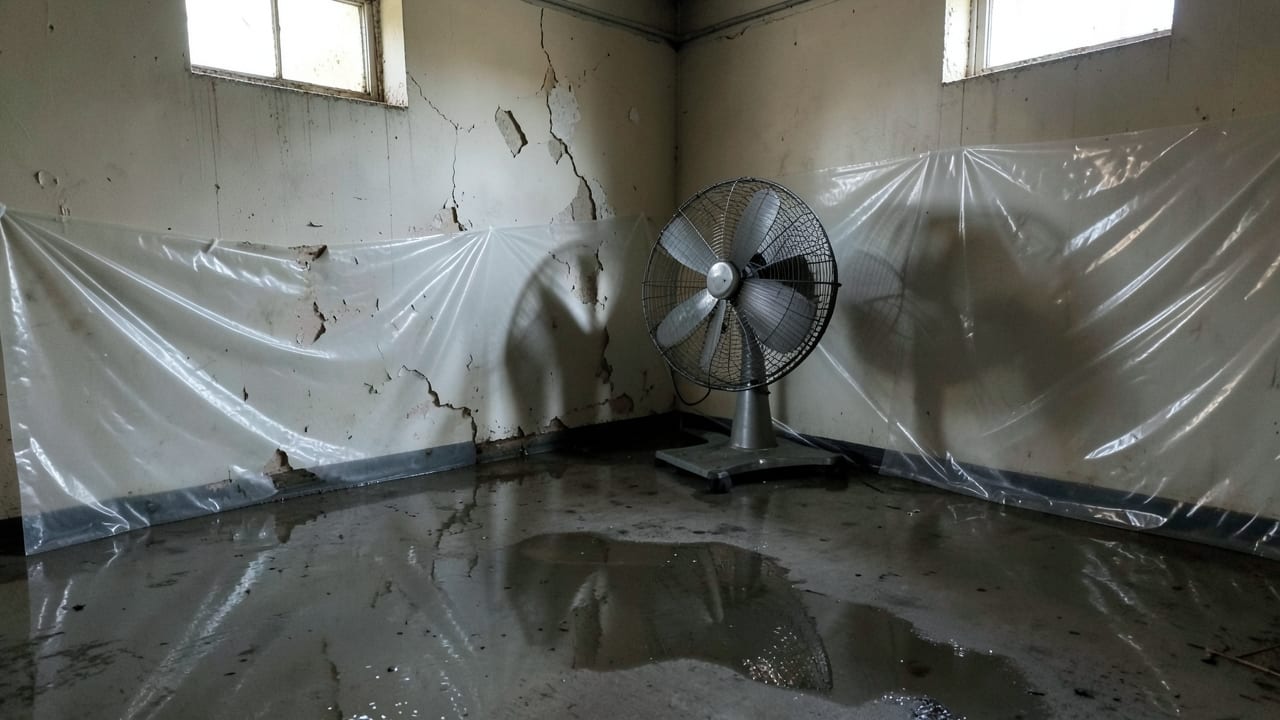
Storm Damage Mold Cleanup in Belleair Shores, FL
Professional cleanup and remediation of mold caused by storm-related water damage in homes.
Learn More
Pre-Winter Mold Prevention in Belleair Shores, FL
Pre-winter mold prevention involves inspection and treatment to stop mold growth before cold weather.
Learn More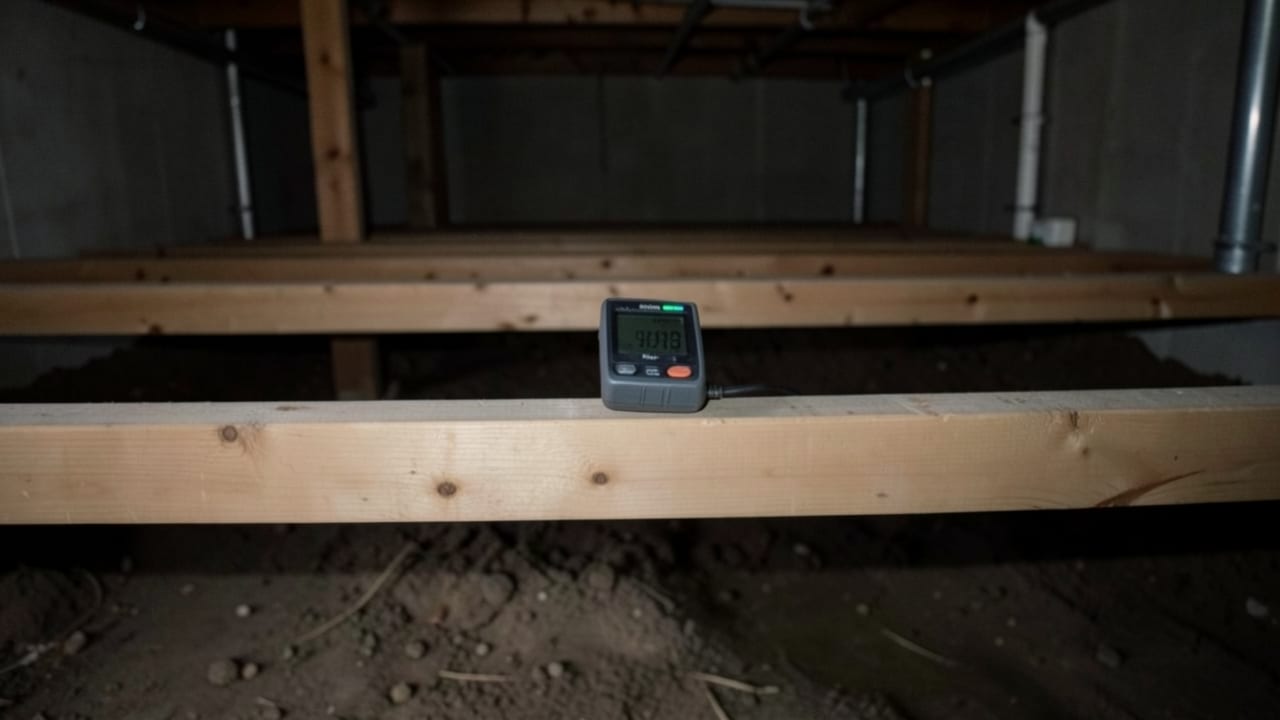
Spring Mold Inspection in Belleair Shores, FL
Professional assessment and identification of mold growth in homes.
Learn More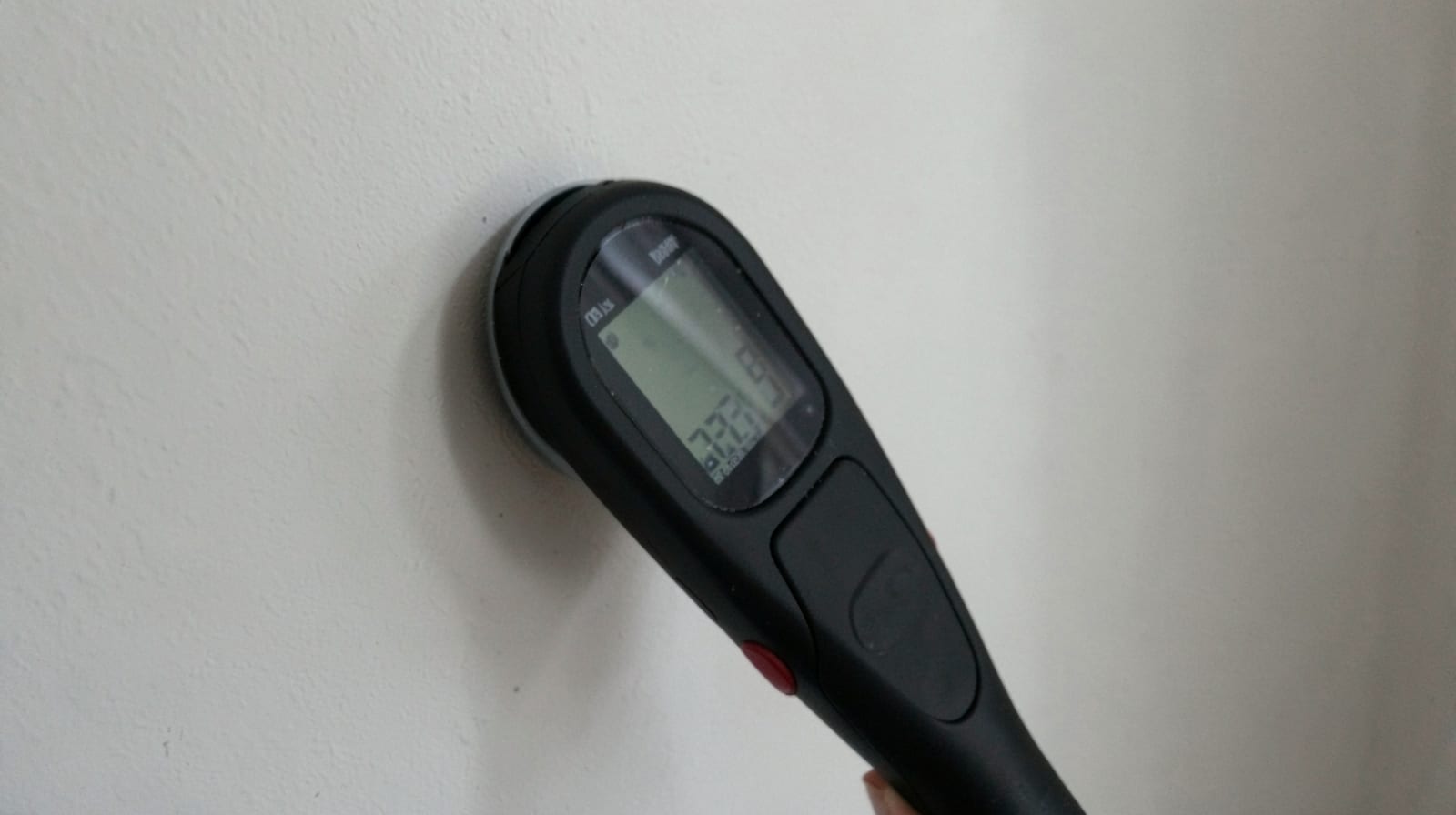
Mold Inspection in Belleair Shores, FL
Mold inspection in Belleair Shores, FL — a visual and moisture-meter assessment that finds the source of growth, not just the visible spot on the wall.
Learn More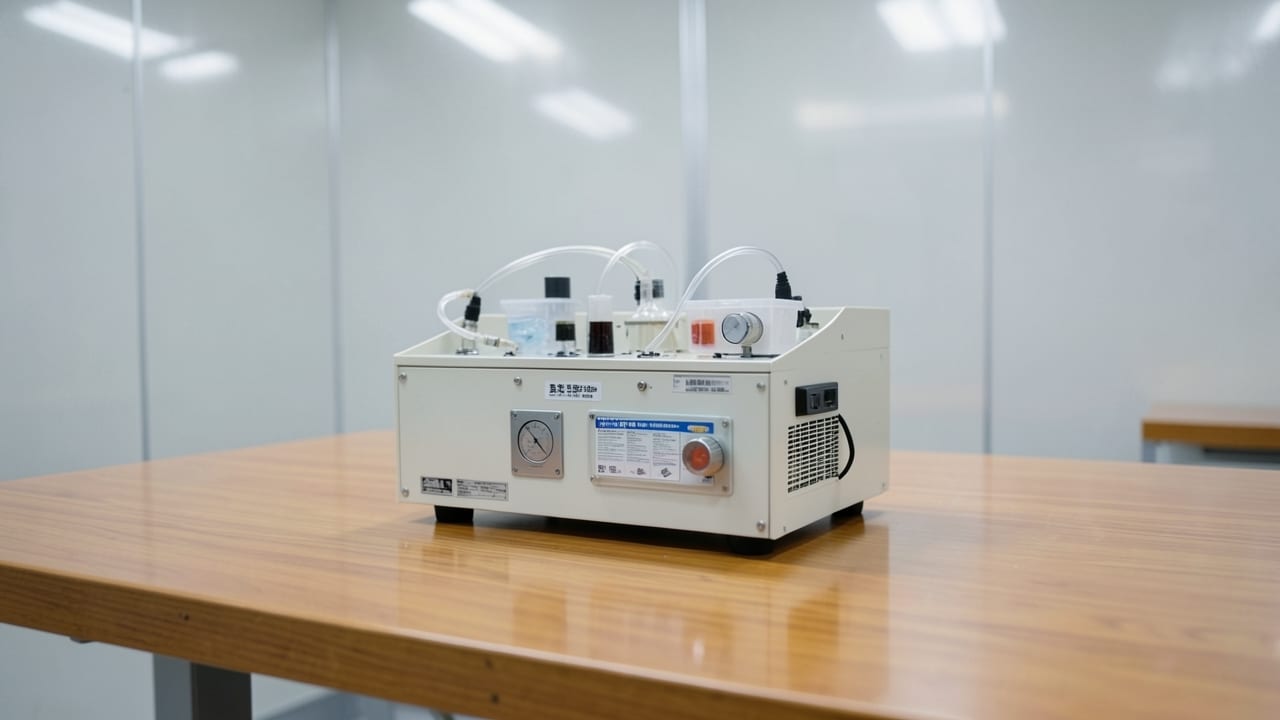
Mold Testing & Air Quality Testing in Belleair Shores, FL
Mold and indoor air quality testing in Belleair Shores, FL — lab-analyzed air and surface samples confirm what's actually growing and whether it's airborne.
Learn MoreCommon Questions About Mold Remediation in Belleair Shores
Everything you need to know about mold remediation services in Belleair Shores
How much does Fire Smoke Mold Remediation typically cost in Belleair Shores, FL?
Why does Belleair Shores, FL's humidity make mold a bigger risk than in drier regions?
What's the actual difference between mold removal and mold remediation?
Is a final clearance test part of a typical mold remediation job?
How does mold remediation actually prevent the problem from coming back?
Can mold growing inside HVAC ductwork spread to the rest of a home?
Need Mold Remediation in Belleair Shores?
Connect with local providers in Belleair Shores for a detailed quote.
⏰ We answer your call • Serving all of Belleair Shores and surrounding areas