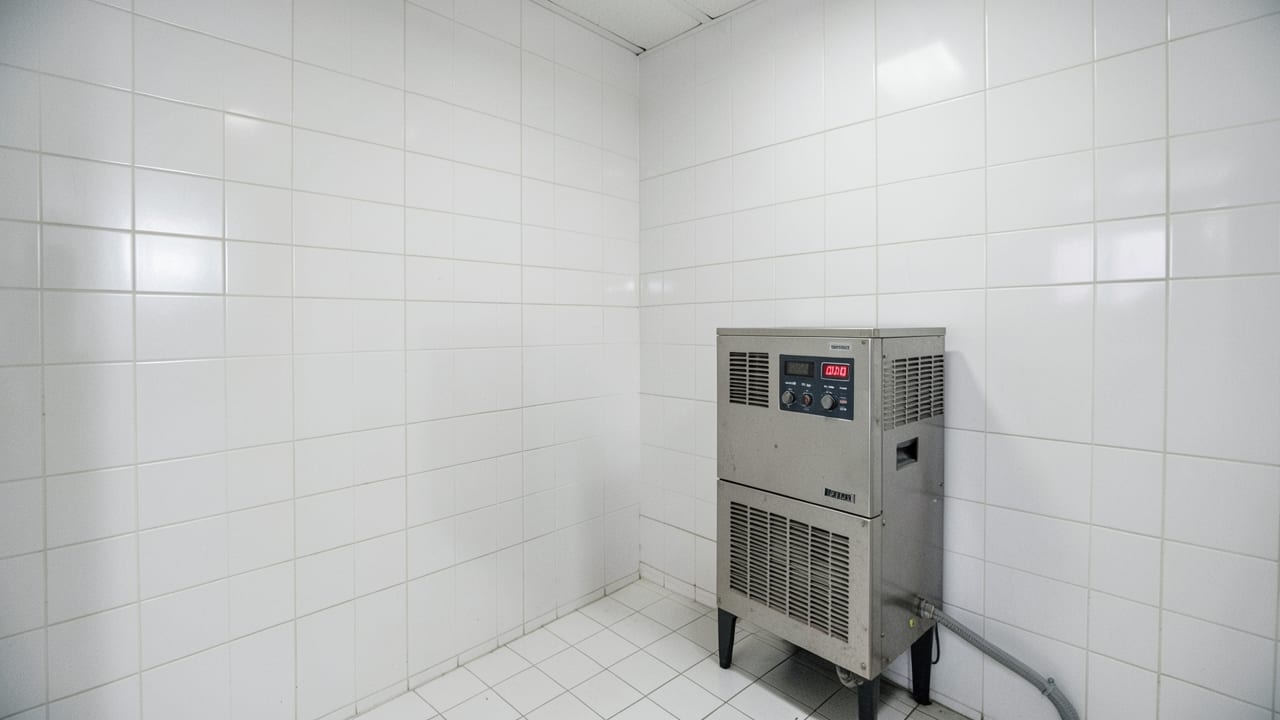
Hotel Mold Remediation
Professional removal and treatment of mold growth in hotel properties to restore safe, clean environments.
Mold in Belleair Shores homes can spread quickly in humid Florida conditions, especially in hidden areas like bathrooms, basements, or behind walls. Professional remediation involves containment, removal of affected materials, HEPA filtration, and moisture control to prevent regrowth. Addressing the source of dampness is critical to avoid recurrence.
When mold remediation is needed
Mold growth beyond a small patch—typically more than 25 square feet—often requires professional remediation. Recurring mold in the same spot after cleaning suggests an unresolved moisture issue.
We also handle Mold Prevention & Moisture Control and Mold & Asbestos Testing for Belleair Shores properties.
A musty smell with no visible mold may indicate hidden growth, especially if it worsens when HVAC runs, as spores can spread through ductwork.
Poor airflow in enclosed spaces like windowless bathrooms or basements can trap moisture, creating ideal conditions for mold. If you notice discoloration, warping, or a persistent dampness in these areas, it’s a sign that professional intervention may be needed.
Signs Mold Remediation Is Required
- Mold covers more than a small, isolated patch (typically over 25 sq. ft.)
- Growth keeps returning after cleaning, indicating an unresolved moisture source
- Musty smell with no visible mold, especially stronger when HVAC is on (possible ductwork contamination)
- Visible mold in multiple rooms or hidden areas (behind walls, under flooring, inside crawl spaces)
- Warping, peeling, or discoloration on walls, ceilings, or floors in persistently damp areas
What affects remediation costs and timing
The size of the affected area is the primary cost driver, with larger or complex infestations requiring more labor, materials, and containment. Hidden mold behind walls or under flooring adds time and expense, as removal may involve demolition and reconstruction.
Containment protocols—such as sealing off work areas and using HEPA filtration—are non-negotiable for safety and effectiveness. Stricter containment in shared or high-traffic areas (like hallways or bathrooms) can increase costs due to extended setup and cleanup.
Preventing mold regrowth after remediation
Even after professional remediation, mold can return if the moisture source isn’t addressed. Fixing leaks, improving ventilation, and controlling humidity with dehumidifiers or fans in persistently damp areas are essential steps. Post-remediation, monitor humidity levels in treated spaces to catch early signs of recurrence.
Outdoor factors like poor grading or downspouts directing water toward the foundation can reintroduce moisture. Ensuring proper drainage and sealing gaps in the home’s exterior helps maintain dry conditions long-term.
Removing mold without fixing the source—such as a leak, condensation, or grading issue—often leads to regrowth within months. Always confirm the moisture problem is resolved before considering the job complete.
How mold remediation works
Professional remediation follows a structured process to safely remove mold and prevent spread.
- 1Containment Setup
Plastic sheeting and negative-air machines seal off the affected area to trap spores during removal, preventing them from spreading to other parts of the home.
- 2Material Removal or Cleaning
Porous materials like drywall or carpet padding, which absorb mold, are typically cut out and disposed of. Non-porous surfaces like tile or framing are scrubbed and treated to kill remaining spores.
- 3HEPA Filtration and Cleanup
HEPA air scrubbers and vacuums capture airborne spores during the process, while surfaces are cleaned with antimicrobial solutions to inhibit future growth.
- 4Structural Drying
Industrial dehumidifiers and air movers reduce moisture levels in framing and subfloors to prevent mold from regrowing on damp materials.
- 5Clearance Testing
An independent lab tests air or surfaces post-remediation to confirm spore levels are within normal ranges before containment is removed.
Frequently asked questions
How do I know if my mold problem is serious enough for professional remediation?
If mold covers more than 25 square feet, keeps returning after cleaning, or you notice a musty smell with no visible growth, it’s likely time for professional help. Hidden mold—like behind walls or in ductwork—often requires expert assessment.
Will mold come back if it’s only on the surface and I clean it myself?
Surface cleaning may temporarily reduce mold, but spores can remain and regrow if the moisture source isn’t addressed. Professional remediation ensures deeper contamination is removed and the cause is identified.
How long does the remediation process typically take?
The timeline varies by scope, but containment, removal, and drying can take anywhere from a few days to over a week for larger or complex infestations. Clearance testing adds an extra day or two.
Can I stay in my home during mold remediation?
It depends on the extent of the contamination. Small, contained jobs may allow limited access, but larger remediations often require you to vacate the affected area until containment is removed and clearance testing is complete.
See Belleair, FL for more, or browse how our Belleair Shores crew can help from start to finish for our complete lineup.
Ready to get started?
Talk to a local mold remediation pro in Belleair Shores — get a written quote.
Other Mold Remediation Services in Belleair Shores
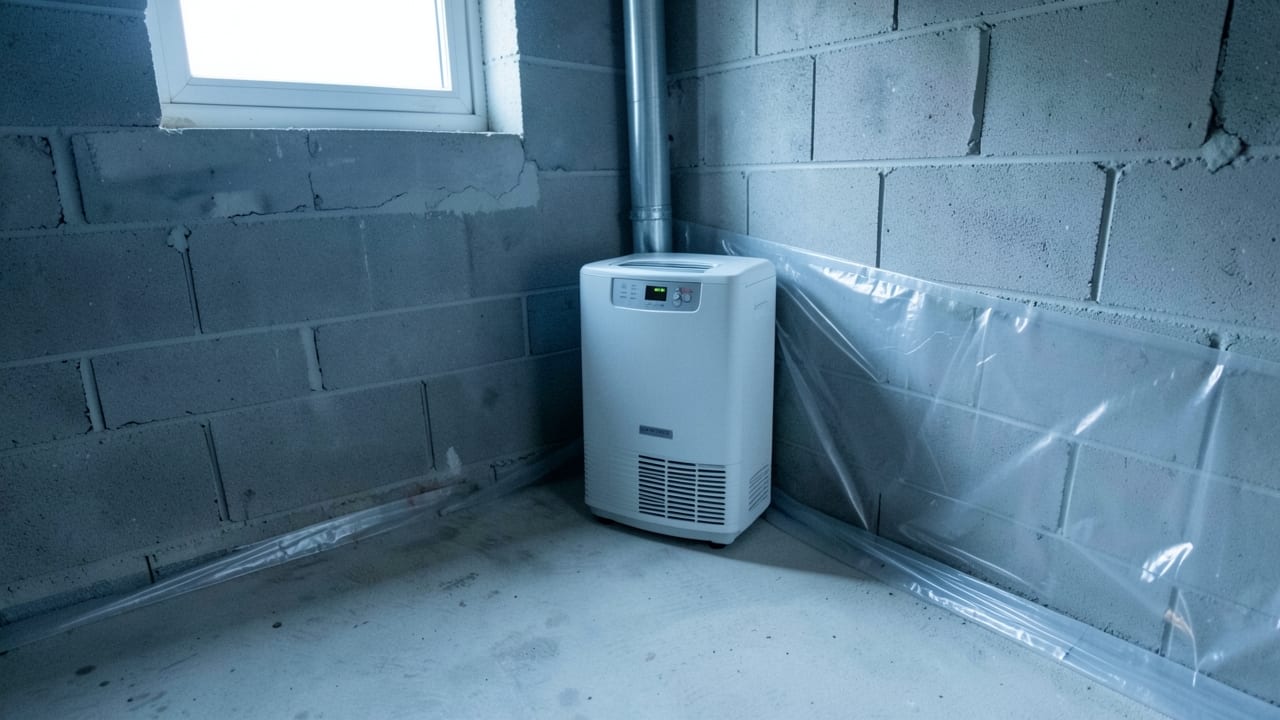
Mold Prevention & Moisture Control in Belleair Shores, FL
Mold prevention and moisture control in Belleair Shores, FL — addressing ventilation, humidity, and drainage before growth starts, not after.
Learn More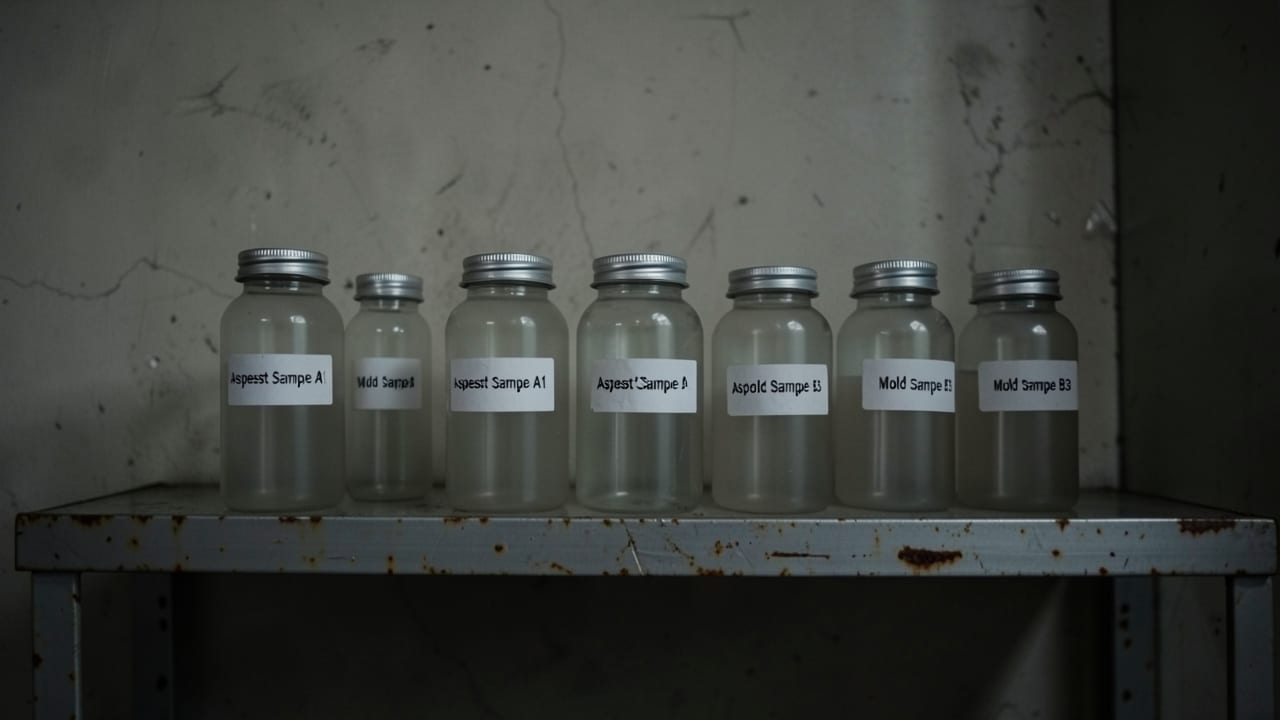
Mold & Asbestos Testing in Belleair Shores, FL
Combined mold and asbestos testing in Belleair Shores, FL — one inspection visit, lab-verified results for both.
Learn More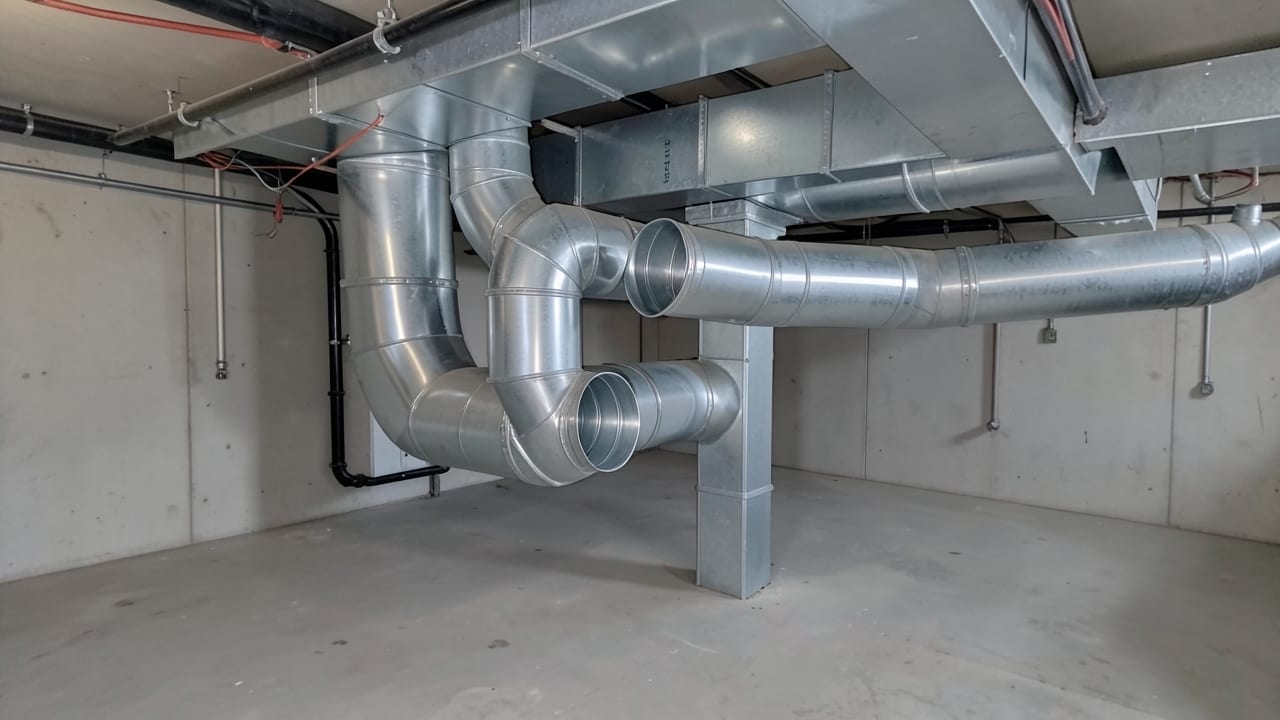
HVAC Mold Remediation in Belleair Shores, FL
HVAC and ductwork mold remediation in Belleair Shores, FL — mold growing inside the air handler or duct system, spreading through every vent.
Learn More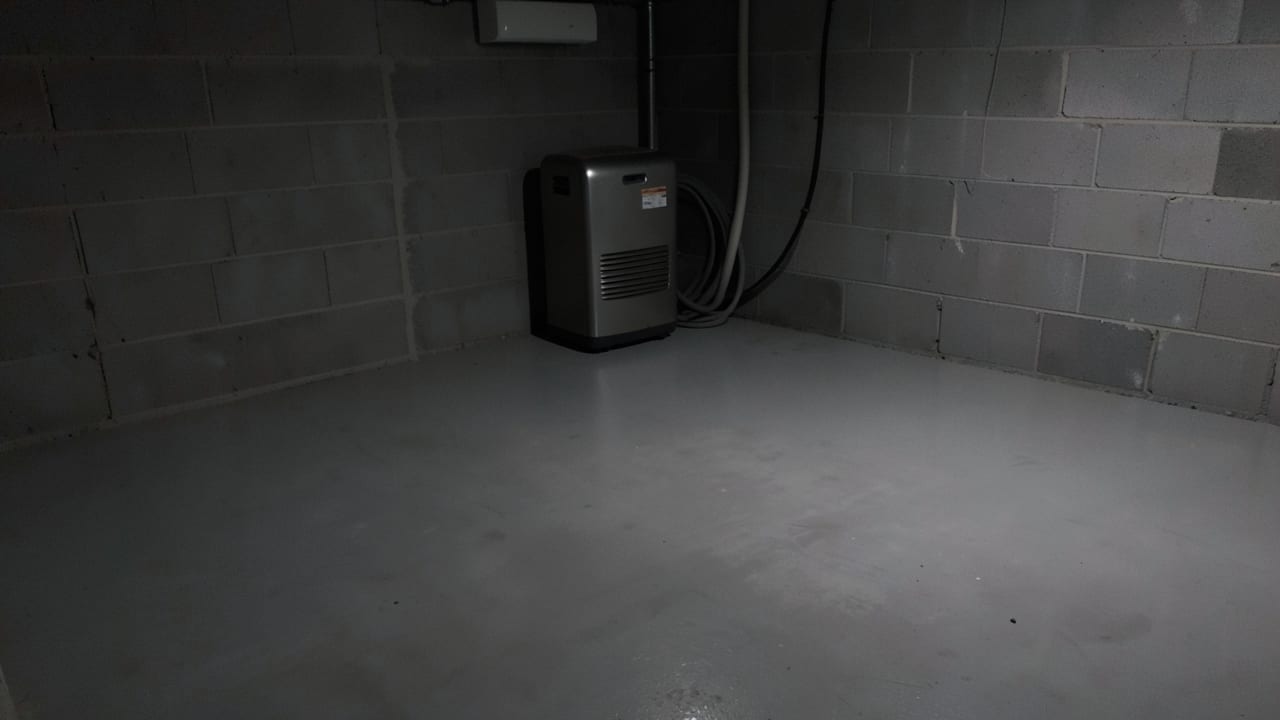
Concrete Mold Remediation in Belleair Shores, FL
Professional removal and treatment of mold from concrete surfaces in homes.
Learn More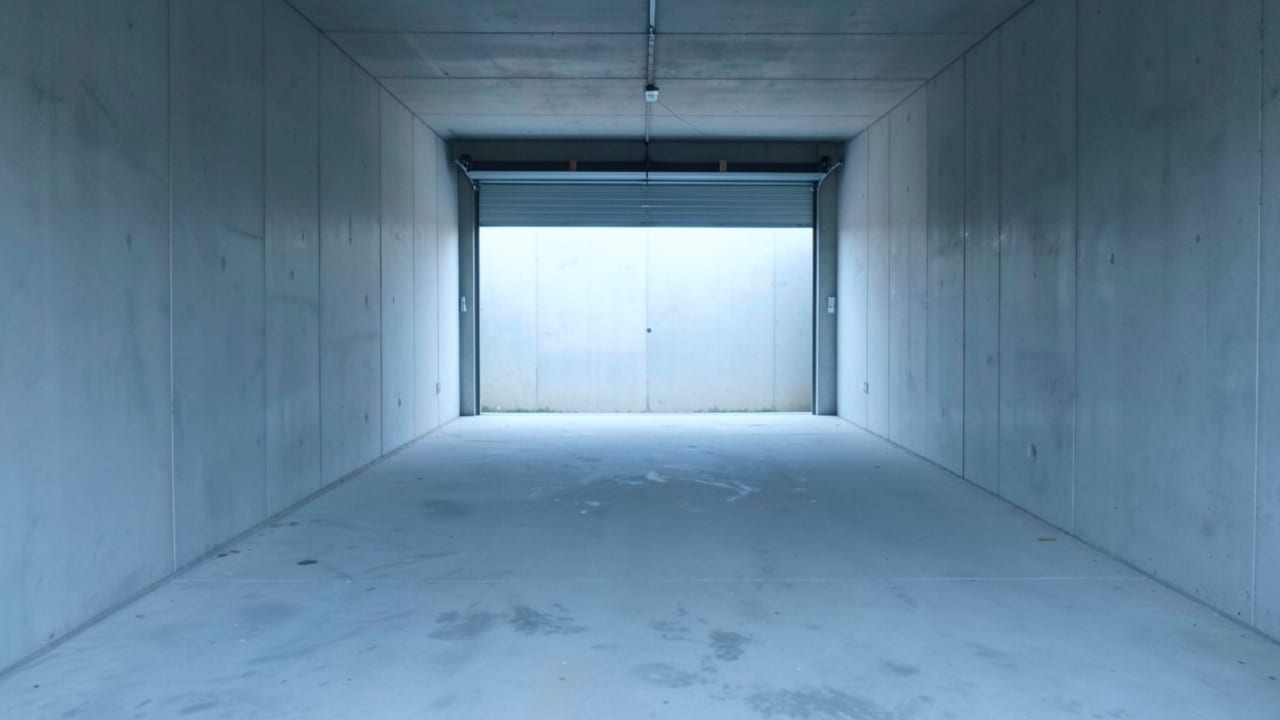
Garage Mold Removal in Belleair Shores, FL
Professional assessment and removal of mold growth in garages to restore a safe, clean space.
Learn More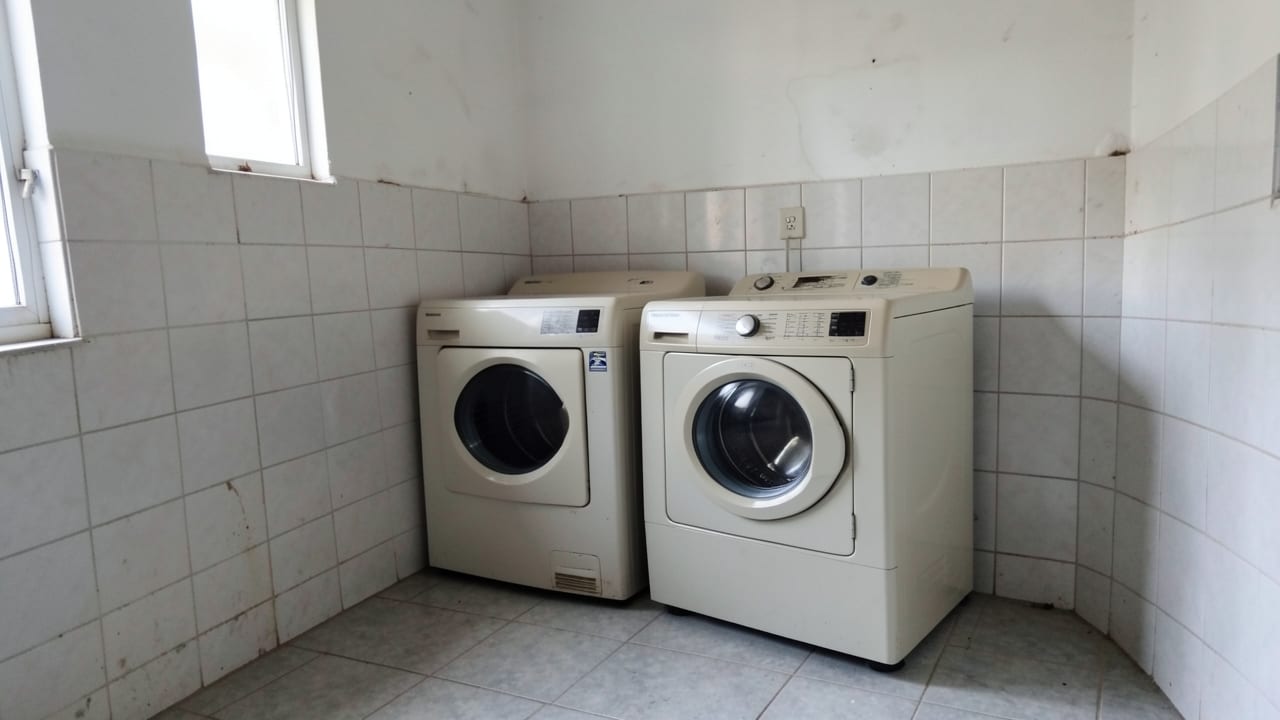
Laundry Room Mold Cleanup in Belleair Shores, FL
Professional mold removal and remediation in laundry rooms to restore a safe, clean space.
Learn MoreCommon Questions About Mold Remediation in Belleair Shores
Everything you need to know about mold remediation services in Belleair Shores
How much does Hotel Mold Remediation typically cost in Belleair Shores, FL?
Why does Belleair Shores, FL's humidity make mold a bigger risk than in drier regions?
Is it safe to stay in the home during mold remediation?
Can small mold problems be handled without hiring anyone?
What's the actual difference between mold removal and mold remediation?
Is a final clearance test part of a typical mold remediation job?
Need Mold Remediation in Belleair Shores?
Connect with local providers in Belleair Shores for a detailed quote.
⏰ We answer your call • Serving all of Belleair Shores and surrounding areas