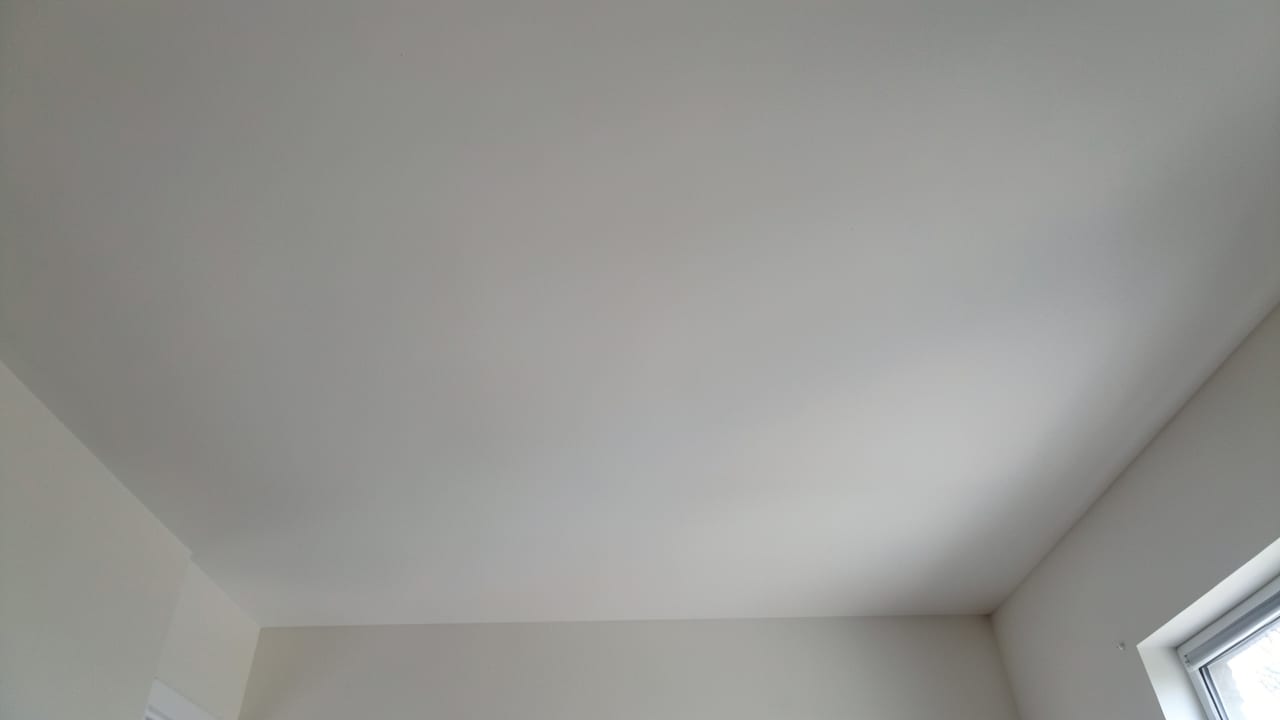
Ceiling Mold Removal
Professional removal of mold growth from ceilings, including containment and cleanup.
Ceiling mold removal in Belleair Shores, FL, addresses hidden or visible mold colonies growing on overhead surfaces like drywall, tiles, or framing. The process involves containment, removal of affected materials, HEPA filtration, and structural drying to prevent regrowth.
Proper remediation targets both the mold and the moisture source causing it, with Florida regulations requiring independent assessment and licensed remediation.
We also handle HVAC Mold Remediation and Concrete Mold Remediation for Belleair Shores properties.
When ceiling mold needs professional attention
Ceiling mold often starts small but can quickly spread if ignored. In Florida, mold covering more than 25 contiguous square feet typically requires professional remediation, as recommended by state guidelines.
Recurring mold in the same spot or a musty odor with no visible growth are also clear signs that the problem is hidden or tied to an unresolved moisture issue.
Hidden mold—such as behind walls, under flooring, or inside HVAC ducts—often spreads through airflow, making it harder to contain. If mold keeps returning after cleaning, the moisture source (like a leak or poor ventilation) likely hasn’t been addressed.
In damp rooms like bathrooms or basements, stagnant air or poor airflow can also contribute to persistent mold growth.
Signs You Need Ceiling Mold Removal
- Mold covers more than a small, isolated patch (25+ sq. ft.)
- Mold returns within weeks after cleaning
- Musty smell with no visible mold in the room
- Mold growth appears after heavy rain or humidity spikes
- Visible mold in multiple rooms or on HVAC vents
What affects the cost of ceiling mold removal?
The cost of ceiling mold removal depends on the size of the affected area, the type of mold, and whether hidden growth is discovered during remediation. Black mold, which requires more protective measures, typically costs 15–25% more than standard mold removal.
Additional factors include whether containment, clearance testing, or structural repairs are needed, as these are often billed separately.
Florida law also requires independent assessment before remediation, which may add to the total cost. Always confirm whether a quote includes inspection, containment, HEPA filtration, and post-remediation testing—skipping these steps can lead to incomplete results and higher long-term costs.
What happens if you skip key steps?
Containment breaches, like torn plastic sheeting or open doors, allow spores to spread to unaffected areas, turning a small job into a much larger one. Using non-HEPA equipment—such as standard shop vacuums or air scrubbers—recirculates spores instead of capturing them, increasing the risk of reinfection.
Without fixing the moisture source (leaks, condensation, or poor grading), mold will likely return within months.
Skipping clearance testing means there’s no confirmation that spore levels are back to normal. Florida law also prohibits the same company from assessing and remediating the same property within 12 months, so independent verification is required by statute.
Removing mold without addressing the moisture source is like treating a symptom without curing the illness—regrowth is almost certain.
How ceiling mold removal works
- 1Containment Setup
Plastic sheeting and negative-air machines seal off the work area to prevent spores from spreading during removal. This step is critical for keeping mold from drifting into other rooms or HVAC systems.
- 2Material Removal or Cleaning
Porous materials like drywall or insulation that absorb mold are cut out and bagged inside containment. Non-porous surfaces like tile or framing are scrubbed and treated with antimicrobial solutions.
- 3HEPA Filtration and Cleanup
HEPA air scrubbers run continuously to capture airborne spores, and surfaces are vacuumed with HEPA-filtered equipment to prevent recirculation. This ensures spores stirred up during removal are fully contained.
- 4Structural Drying
Industrial dehumidifiers and air movers dry framing and subfloors to normal moisture levels before containment is removed. Mold regrows on damp materials even after visible traces are gone.
- 5Clearance Testing
An independent lab tests air or surface samples to confirm spore counts are back to normal before the area is considered finished. This step verifies the remediation was effective.
Frequently asked questions
Can I clean ceiling mold myself if it’s a small patch?
Small patches (under 25 sq. ft.) can sometimes be cleaned with detergent, water, and a HEPA vacuum, but only if the moisture source is fixed first. If the mold keeps returning or spreads, professional remediation is needed to prevent hidden growth.
How long does ceiling mold removal take?
The timeline varies based on containment setup, material removal, drying, and testing. A single room may take 1–3 days, while larger or hidden mold can extend the process. Containment and clearance testing add time to the total job.
Will my insurance cover ceiling mold removal?
Some policies cover mold remediation if it’s tied to a covered event (like a burst pipe), but many exclude pre-existing mold or neglect-related damage. Check your policy details and confirm with your insurer before starting work.
How do I know if the mold is back after remediation?
Watch for musty odors, visible regrowth, or recurring health symptoms like coughing or allergies. Periodic humidity checks in the treated area can also catch early signs of moisture issues before mold returns.
See Bear Creek, FL for more, or discover the mold remediation work we do around Belleair Shores by category for our complete lineup.
Ready to get started?
Talk to a local mold remediation pro in Belleair Shores — get a written quote.
Other Mold Remediation Services in Belleair Shores
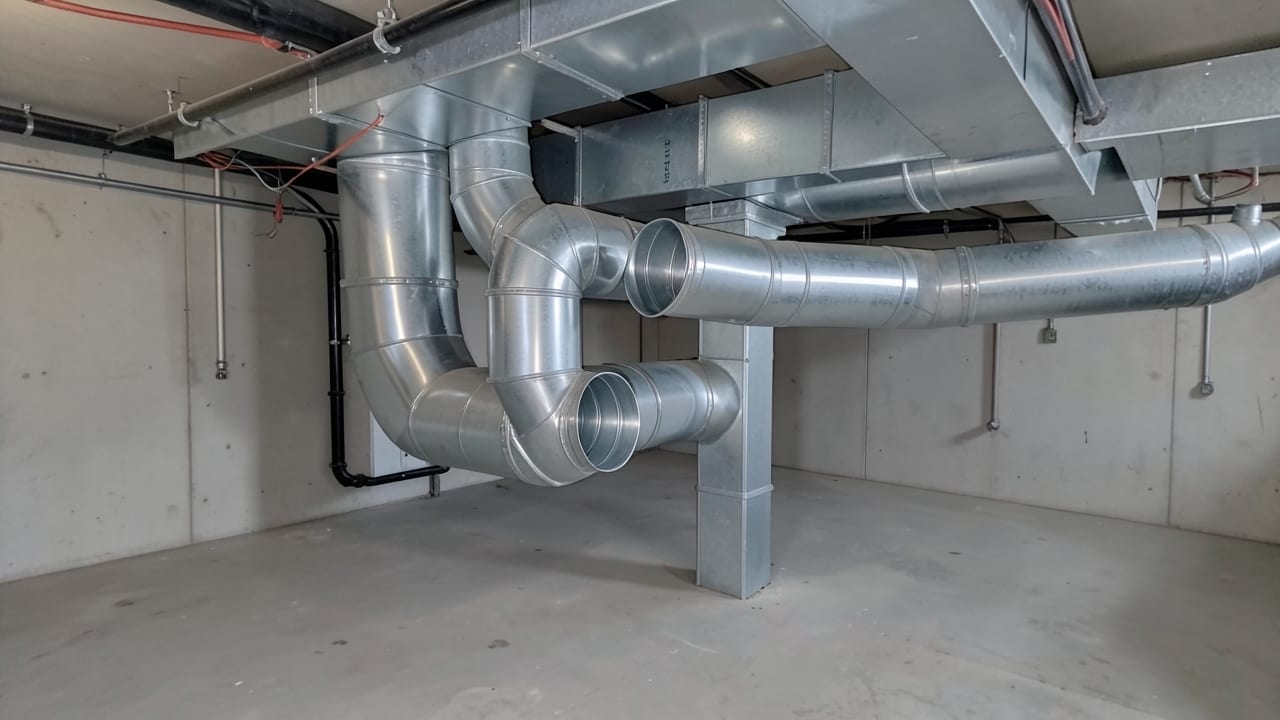
HVAC Mold Remediation in Belleair Shores, FL
HVAC and ductwork mold remediation in Belleair Shores, FL — mold growing inside the air handler or duct system, spreading through every vent.
Learn More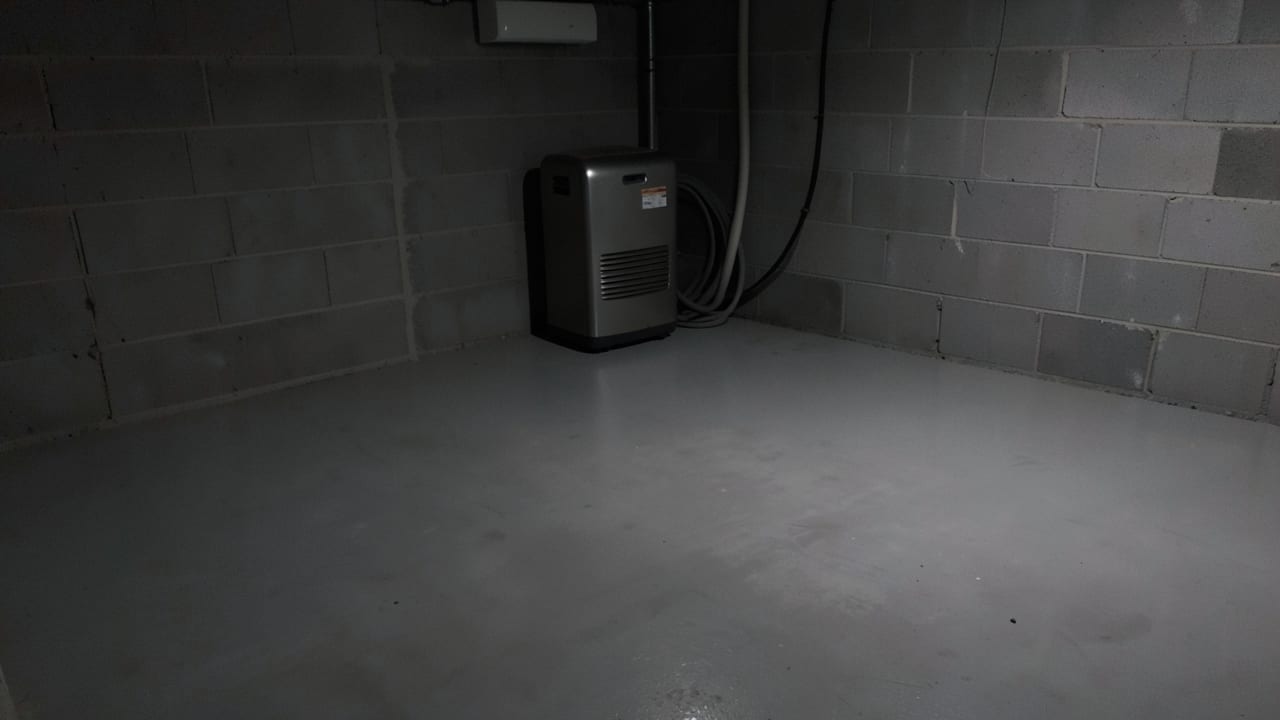
Concrete Mold Remediation in Belleair Shores, FL
Professional removal and treatment of mold from concrete surfaces in homes.
Learn More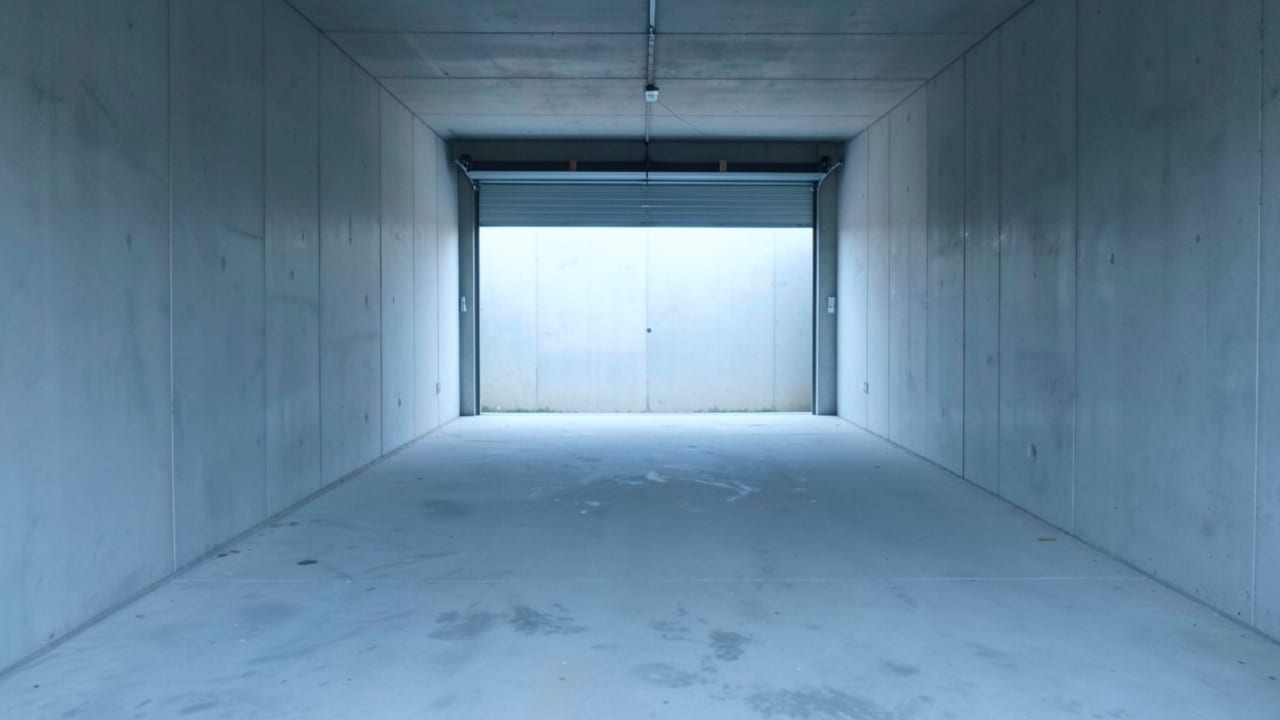
Garage Mold Removal in Belleair Shores, FL
Professional assessment and removal of mold growth in garages to restore a safe, clean space.
Learn More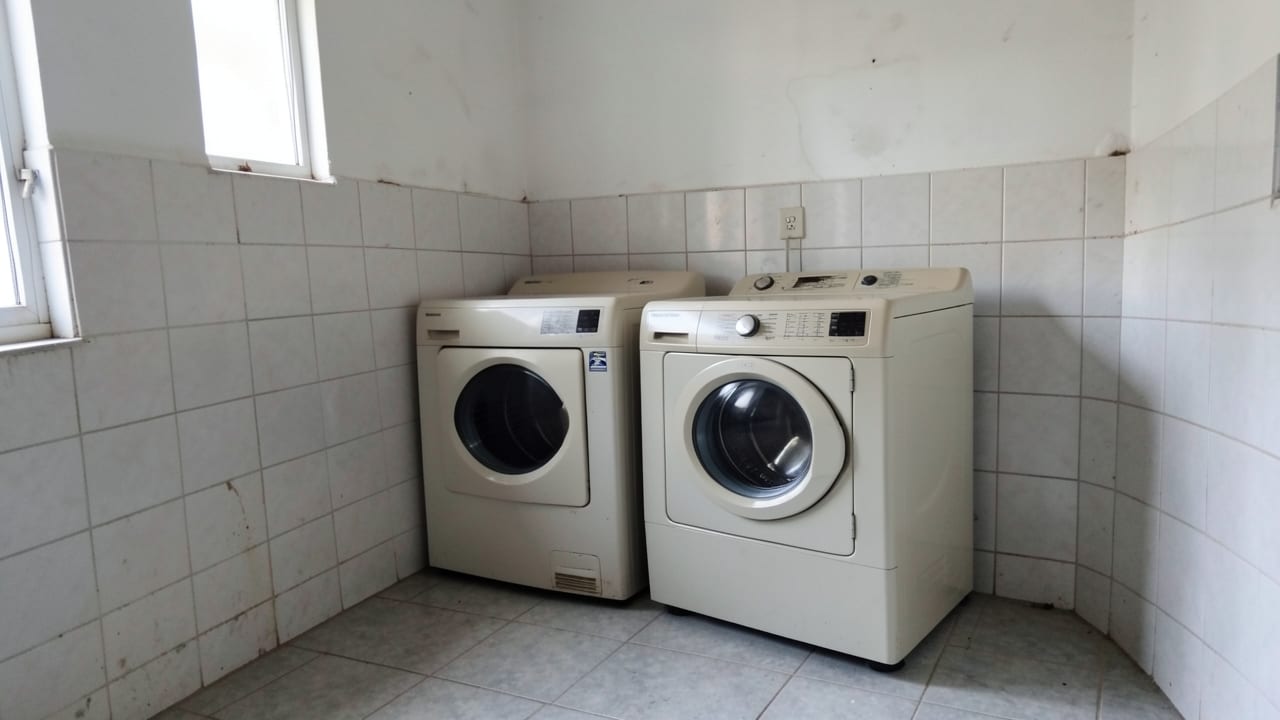
Laundry Room Mold Cleanup in Belleair Shores, FL
Professional mold removal and remediation in laundry rooms to restore a safe, clean space.
Learn More
Plaster Mold Remediation in Belleair Shores, FL
Professional removal and treatment of mold from plaster surfaces in homes.
Learn More
Window Sill Mold Cleanup in Belleair Shores, FL
Professional cleanup of mold growth on window sills to restore a healthy indoor environment.
Learn MoreCommon Questions About Mold Remediation in Belleair Shores
Everything you need to know about mold remediation services in Belleair Shores
How much does Ceiling Mold Removal typically cost in Belleair Shores, FL?
Why does Belleair Shores, FL's humidity make mold a bigger risk than in drier regions?
Is it safe to stay in the home during mold remediation?
Can small mold problems be handled without hiring anyone?
What's the actual difference between mold removal and mold remediation?
Is a final clearance test part of a typical mold remediation job?
Need Mold Remediation in Belleair Shores?
Connect with local providers in Belleair Shores for a detailed quote.
⏰ We answer your call • Serving all of Belleair Shores and surrounding areas